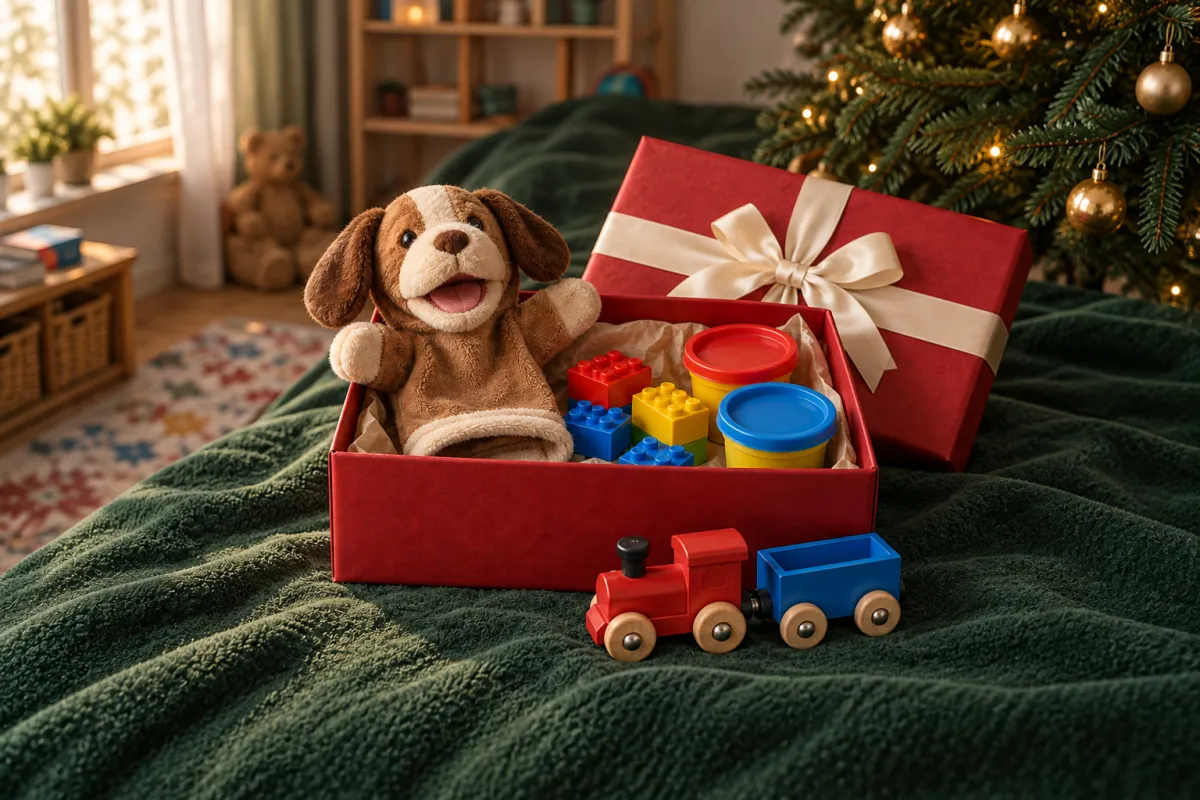
Choose the play they will come back to
There’s a long way between a baby fascinated by stacking cups and a twelve-year-old who wants to outwit an escape-room puzzle. Think about what this child does when they have a free afternoon: invent a story, race about, build, draw, collect or persuade everyone to play a game. A screen-free Christmas present can follow any of those interests.
This selection covers play at home, in the garden and further afield, including places where Christmas is warm. Some choices are completely low-tech; others keep the child’s play away from a screen but need an adult to set things up. Use the exact product’s age and safety guidance, then judge its reading, handling and patience demands. The ages below help you browse; they don’t replace the age label on a particular toy.
Where to start at different ages
Babies and younger toddlers: cloth books, board books, stacking cups, large nesting toys, rattles and sturdy cause-and-effect toys made for their stage. Choose something satisfying to grasp, empty, fill or explore again.
Roughly 2–4: larger construction pieces, a pretend shop, dolls, chunky animals, age-appropriate play dough and simple matching games. A short route from opening the box to playing can matter more than lots of accessories.
Roughly 5–7: building sets, first board games, drawing materials, dressing-up pieces, scooters and simple nature activities. Think about whether they want to lead the activity or share it with someone.
Roughly 8–11: marble runs with more to figure out, paper engineering, card games, science kits, outdoor sports and crafts with a finished result. Good printed instructions help them try things independently.
Around 12 and over: an instrument worth learning, an absorbing puzzle, strategy games, model making, embroidery or better materials for an existing art hobby. Growing up doesn’t mean giving up a favourite character or soft toy.
Christmas 2026 ideas worth a closer look
Creative construction, low-tech play, collectibles and fandom feature in the US Toy Association’s 2026 trends. London Toy Fair reported character soft toys, wearable accessories and games too. These offer useful clues for Christmas shopping, rather than proof that a particular box will be this year’s bestseller.
LEGO Bluey gained new sets in June 2026 across DUPLO and smaller-brick ranges. For a fan, a familiar scene can start a new story away from the television. Pick the exact age-marked set and the kind of building they enjoy; a favourite character doesn’t make every version equally suitable.
LEGO SMART Play adds physical reactions, lights and sound to building. Children can play without a screen, although the adult companion app handles settings and updates. Check the box carefully: a Compatible set leaves out the SMART Brick, whereas All-In-One sets supply the components for getting started. A box of ordinary bricks is still a lovely option for a child who prefers quieter invention.
For a Pokémon fan, ask whether the pleasure is collecting the cards or playing the game. A guided starting point such as Battle Academy helps with learning the physical game; random booster packs don’t automatically make a playable present. Soft toys, figures and bag charms offer another way into a favourite character. Find out the collection first: a known favourite may land better than a blind-box duplicate.
Building, rebuilding and testing a route
Loose bricks and magnetic tiles suit children who like changing the plan halfway through. Check the age label, piece size and the collection they already have. A complete starter beats an unusable extension, even when the extension looks bigger or more elaborate in the photograph.
A wooden train set brings together track building and little journeys. Look for a workable layout with a train, rather than a box of extra track. A marble run adds the pleasure of testing where the ball goes. Systems vary from younger-child formats to intricate runs with small marbles, so follow the particular maker’s guidance. Keep small pieces away from younger siblings and take damaged magnetic toys out of use.
Building and route-making presents
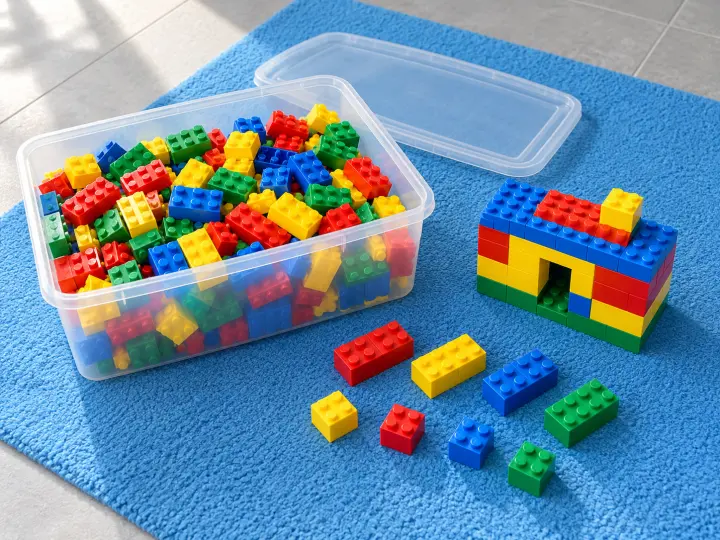
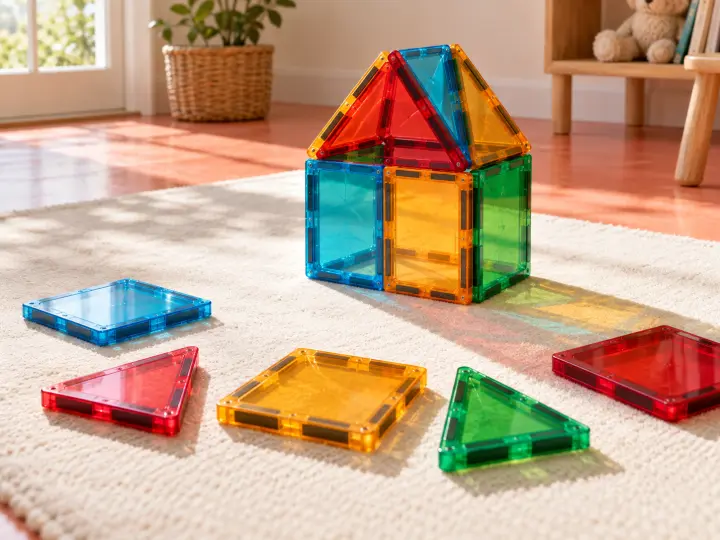
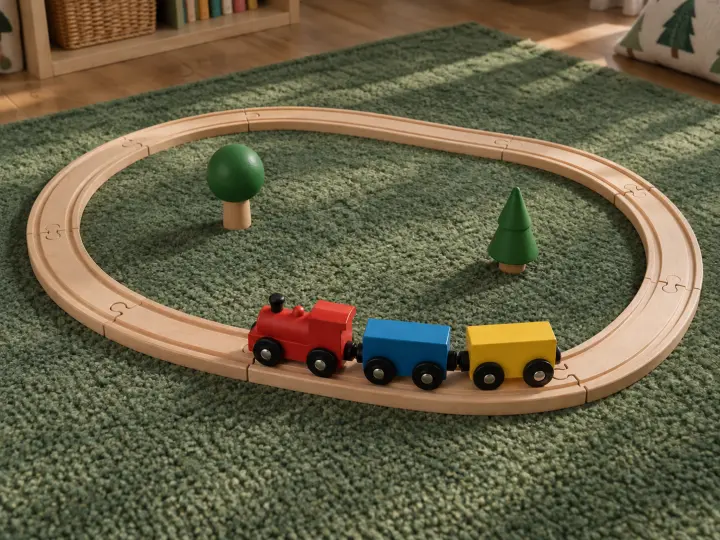
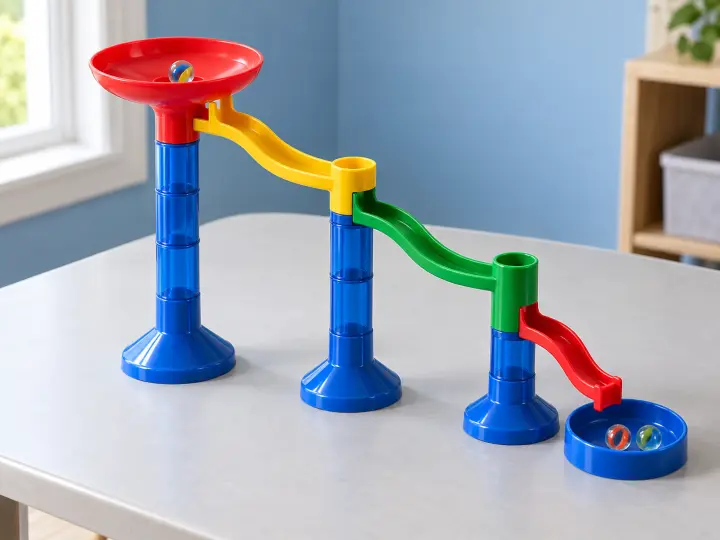
For an older builder, consider a mechanical construction kit, a model vehicle or a cardboard engineering project. Printed steps, required tools, glue and the amount of adult help matter. A model made mainly for display is a different present from something they can dismantle and rebuild repeatedly.
Pretend shops, kitchens, costumes and small worlds
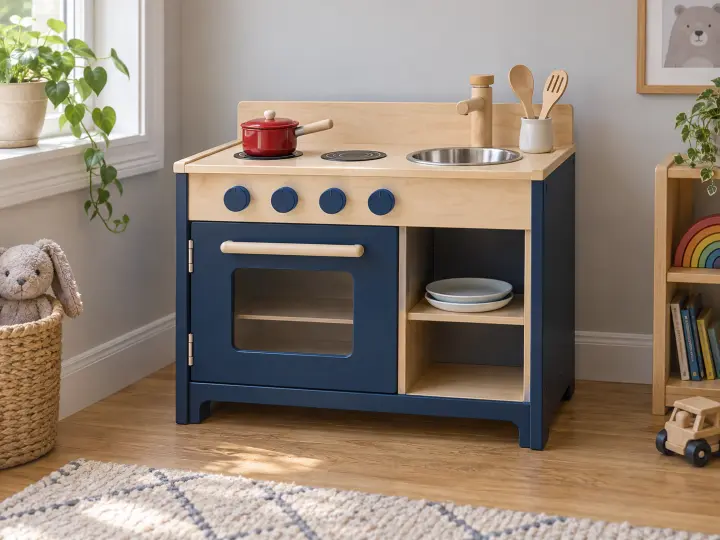
A play kitchen, pretend shop or toy vet kit gives children a starting scene, then leaves them to decide what happens. A doll with a simple care accessory can make a complete present. A dolls’ house needs figures of the right scale and an agreed place to stand; animals, vehicles and a play mat make smaller worlds possible.
Dressing-up needn’t mean a whole character costume. A cape, doctor’s bag or set of role-play hats can serve several stories. Look for comfortable pieces the child can use, while following costume guidance and checking small attachments. A larger size doesn’t override an unsuitable age label.
Give their next story a cast
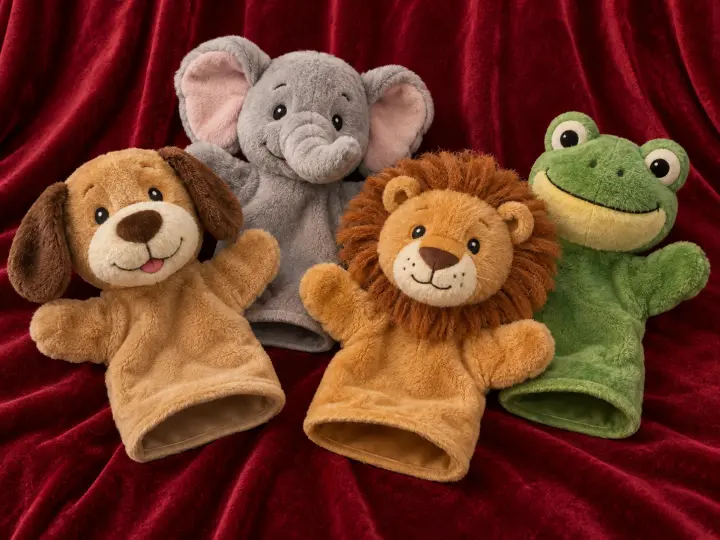
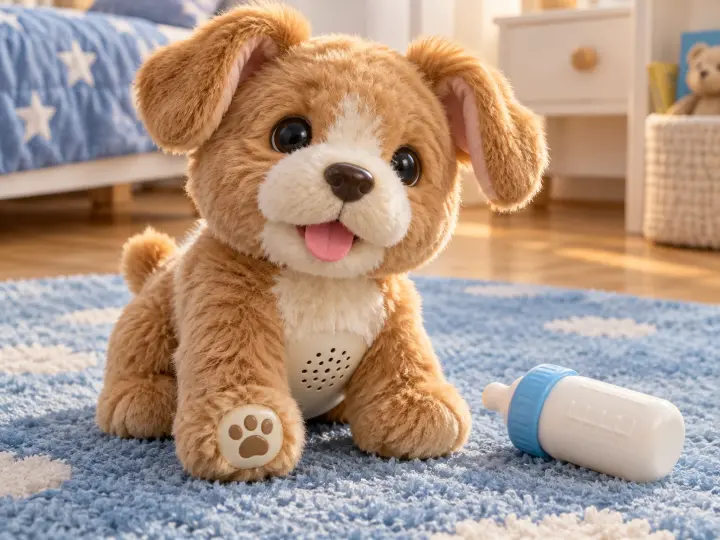
Puppets can perform over the back of a chair; a soft animal can be a passenger, patient or audience. An interactive pet adds reactions but also noise and battery needs. Check for a dependable off switch and the actual play format: some digital pets use screens.
Drawing, dough and projects they can keep
A good drawing present might be paper, pencils and room to follow their own ideas. Young hands may prefer chunky washable materials; an artist’s pigment set serves a different need. For watercolour painting, decent paper and useful brushes are more helpful than an enormous selection of colours with nothing suitable to paint on.
Play dough is for rolling and reshaping. Air-dry clay makes a more lasting object, while oven-bake clay brings a different finishing process. Read the chosen material’s ingredients, age guidance and instructions, and agree where it can be used. A washable mat or tray can make the first session easier.
For drawing, folding and reshaping
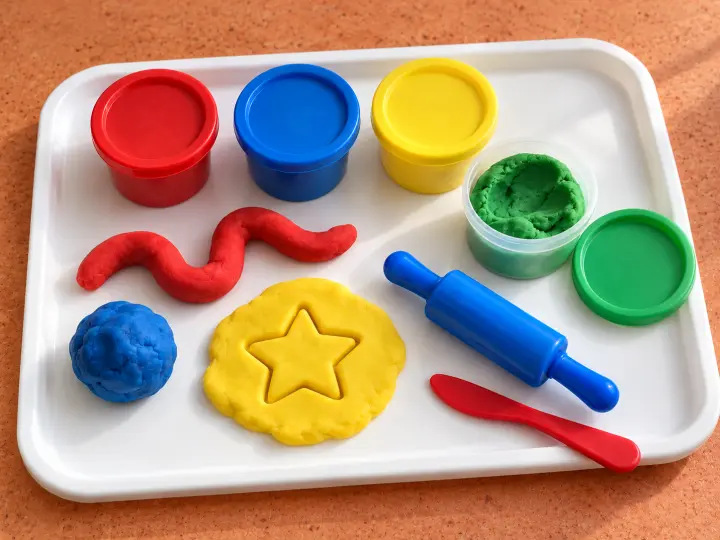


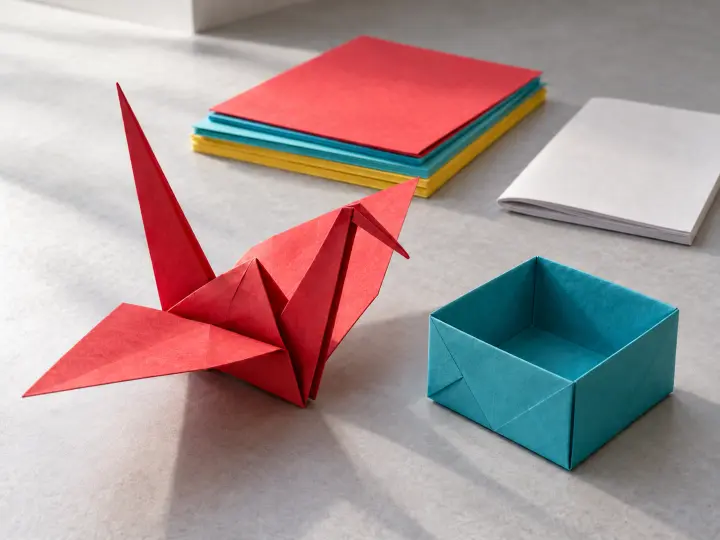
Friendship bracelets, beadwork, paper flowers and collage can appeal to children who like making things to wear or give away. Choose the component size and tools carefully and keep small beads away from younger children. A project they can finish is often more satisfying than a sprawling assortment with little guidance.
A weaving loom kit or embroidery starter kit can give an older child a more substantial project. Look for diagrams that teach the technique, not merely a photograph of the result. Needles and scissors need suitable age guidance and supervision, and the teaching should work on paper if the activity is to stay screen-free. A sketchbook is an easy companion for someone whose drawings already cover every available scrap.
Indoor games for a full house or just two
Choose a game for the people likely to play it. Picture matching or lotto can work before confident reading; a short card game travels easily between homes. Cooperative games give players one problem to solve together, while balancing or flicking games offer a different sort of competition.
Presents for playing together
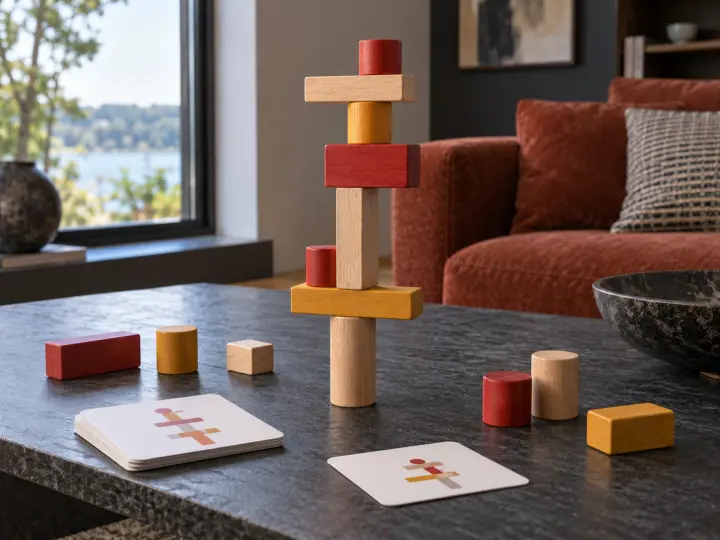
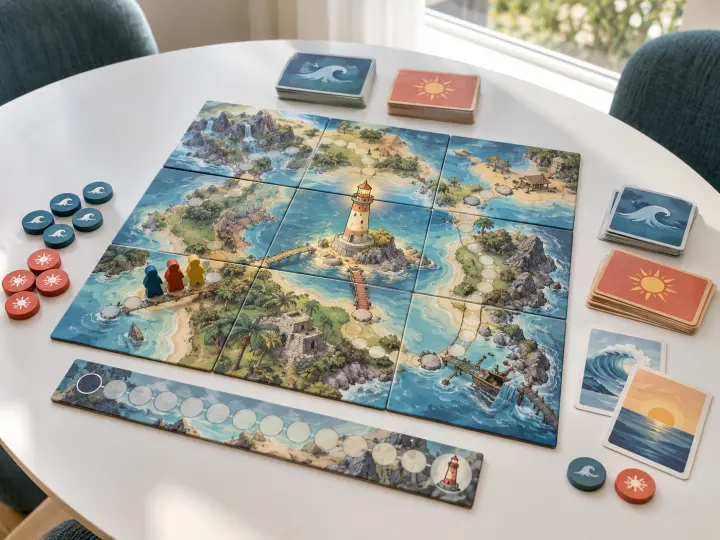
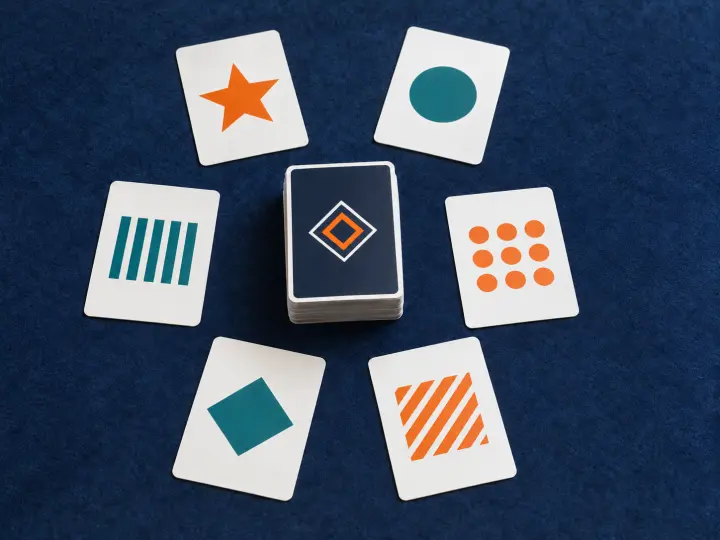
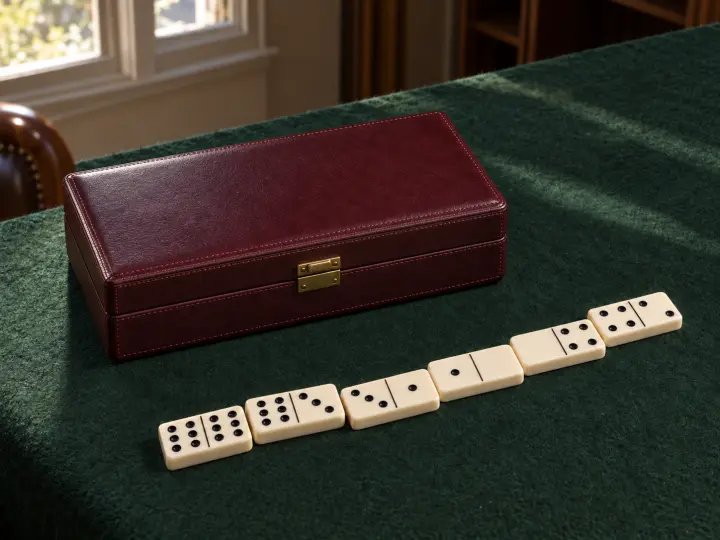
A chess set suits a child keen to learn when there is a printed introduction or someone willing to play. A simpler turn-taking game may be better for a younger child who wants a game they can finish. Check player numbers too: a lively group game may stay in its box if their usual opponent is one sibling.
For more movement indoors, consider soft skittles, beanbag targets or a floor game. Check the real room, flooring and equipment instructions, with breakables moved away. Bigger movement toys need the grown-up’s agreement; an indoor label doesn’t guarantee space in the sitting room.
Quiet puzzles and mysteries to work through
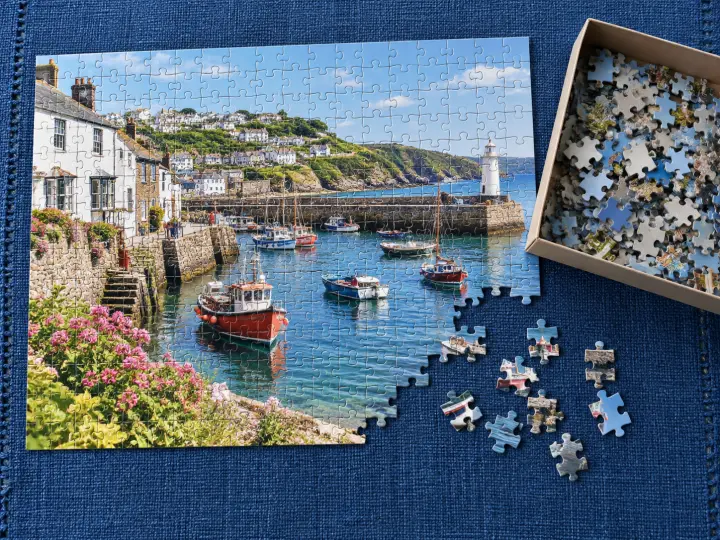
A jigsaw’s picture, piece size and finished dimensions tell you more than piece count alone. A chunky inset or floor puzzle offers one kind of activity; a detailed scene an older child can revisit for several evenings offers another. Pick a subject they’ll enjoy spending time with.
Find the right sort of challenge

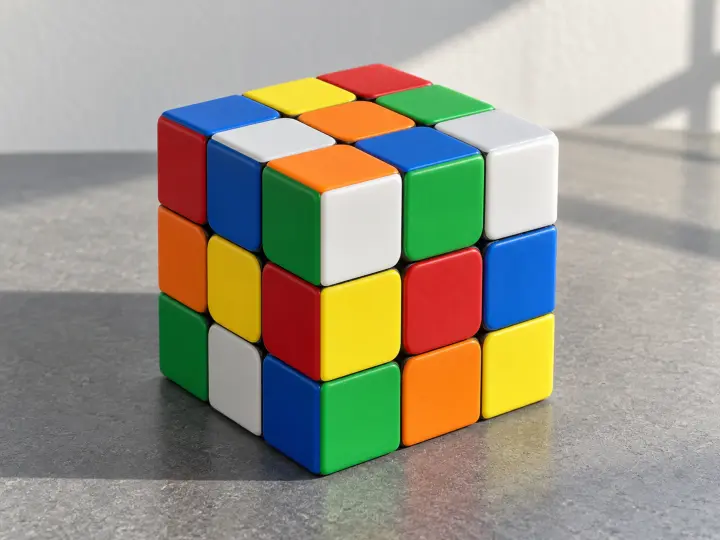
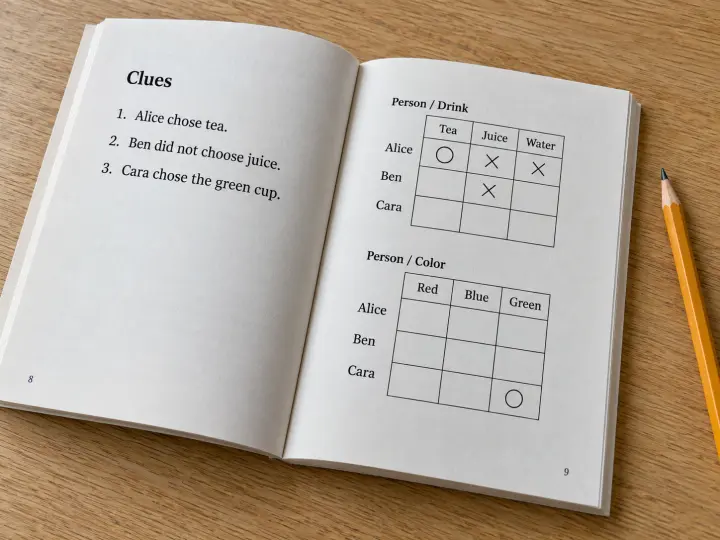
An at-home escape-room kit can give older children a shared mystery. Make sure the particular edition works without an app, website or streamed audio. Check the story’s age suitability, the hint system and whether the game is a one-use experience before expecting it to pass between siblings.
Outdoor Christmas presents in any climate
Christmas can mean a cold park, a sunny garden, a beach or a visit somewhere with completely different weather. Choose for where the child will play. An outdoor present needn’t wait for summer; in colder places, something usable on a dry day may be more rewarding than a large box put away for months.
Balls and catching games: a correctly sized football, basketball, catch set or flying disc can make a familiar outdoor space more inviting. Check for an appropriate hoop or goal, clear room for play and a pump if the ball needs one.
Scooters, balance bikes and pedal bikes: choose for fit, ability and the family’s riding space. Agree the bigger purchase with a grown-up and include properly fitted protective equipment for the activity. Advertised age and wheel count don’t settle whether it fits.
Garden games: skittles, soft throwing targets, quoits and portable badminton offer different sorts of play. Check how many can join in and whether the net, poles or pegs need a suitable surface.
Kites, bubbles and pavement chalk: small presents can give an outing a purpose. Kites need suitable wind and open space away from roads and power lines; chalk needs a permitted surface, and bubble liquid needs a plan for spills.
Sand and water play: buckets, scoops, sand-building tools or a water table can suit a warm Christmas or a planned trip. Follow the age guidance and arrange close adult supervision around water. Ask before choosing a table or pool that needs space and upkeep.
A skipping rope or beginner juggling scarves can appeal to a child who likes practising a physical skill, with a clear, suitable area to use them. If the main present must wait for an outing, wrap a useful small part with a definite plan for when they can try it.
Nature, experiments and small discoveries
A magnifier, sturdy specimen-viewing pot or illustrated nature guide can change what a child notices on a familiar walk. Choose age-appropriate equipment and encourage observing without disturbing wildlife. Birdwatching binoculars need a manageable weight, comfortable eye spacing and a size they can hold; adult-sized equipment isn’t automatically an upgrade. Never look at the sun through binoculars or a telescope.
A flower press can turn suitable leaves or blooms into cards and a nature journal. Check what is available locally and what may be collected; Christmas doesn’t mean the same growing season everywhere. A seed starting kit can be a shared project when you account for seeds, compost, light and local sowing conditions. A tray on its own isn’t a ready-to-plant present.
Indoors, an age-marked crystal-growing kit, simple microscope or snap-together circuit kit can invite a new kind of investigation. Confirm that experiments work without a computer, with printed guidance, necessary consumables and the right adult supervision. A beginner telescope is a bigger shared project: stable support and help with aiming matter more than an impressive magnification number.
Books, listening and making some music
Board books, picture books, comics, factual books and novels all belong here. Follow what the child actually enjoys reading rather than choosing a supposedly impressive reading level. A physical book collection makes sense when you know the titles and editions already on their shelf; one wanted book can be a better present than an unwanted set.
A children’s audio player can offer independent listening, sometimes through physical cards or figures. Check the stories, adult account and download requirements, offline playback and the cost of adding content. Some screen-free listening devices still have a small display, so choose for what the family wants from the gift.
Musical presents might be age-appropriate shakers, a small drum or a playable ukulele. An instrument that holds its tuning is more encouraging than a toy that only looks the part. Printed music and a teacher or family member for a first session can help an older beginner; agree the likely noise with the grown-up. A magic set with printed teaching, a joke book or tickets for a homemade performance may suit a child who would rather put on a show.
Stocking presents, outings and getting ready to play
Small puzzles, folding paper, a little sticker activity book, pocket notebooks, playing cards and art refills can make satisfying little presents. Choose for what they use and keep loose small items away from younger children. A compatible refill for a much-loved activity needn’t feel like a lesser gift.
Our children’s stocking filler guide groups compact books, toys and activities by age as a starting point. For a child who enjoys drawing, a little wax crayon set can also be worth choosing, with suitable paper ready to use.
For a child with plenty of toys, consider a pottery session, climbing visit, theatre show, nature activity or museum trip. Check age and access requirements, travel, booking dates and who will accompany them. An outing is easier to look forward to when an adult has agreed to make the plan happen.
Check assembly, charging, batteries, downloads, materials and printed instructions before wrapping. If something needs a lengthy build before Christmas morning, allow time for it. Children travelling between homes may appreciate a present they can carry and use without leaving essential pieces behind.
Our screen-free gift ideas include presents for adults as well, so those results don’t provide a children’s age filter. You can also browse make-your-own gift kits and wider Christmas gift ideas, checking the exact product when choosing for a child.
Sources
Checked 17 October 2026. Trade reports and retailer predictions informed the seasonal selection; they do not guarantee Christmas stock or what an individual child will enjoy.