 Image unavailable
Illustrative image — products may vary.
Origami Kit: Paper folding with something new at every turn
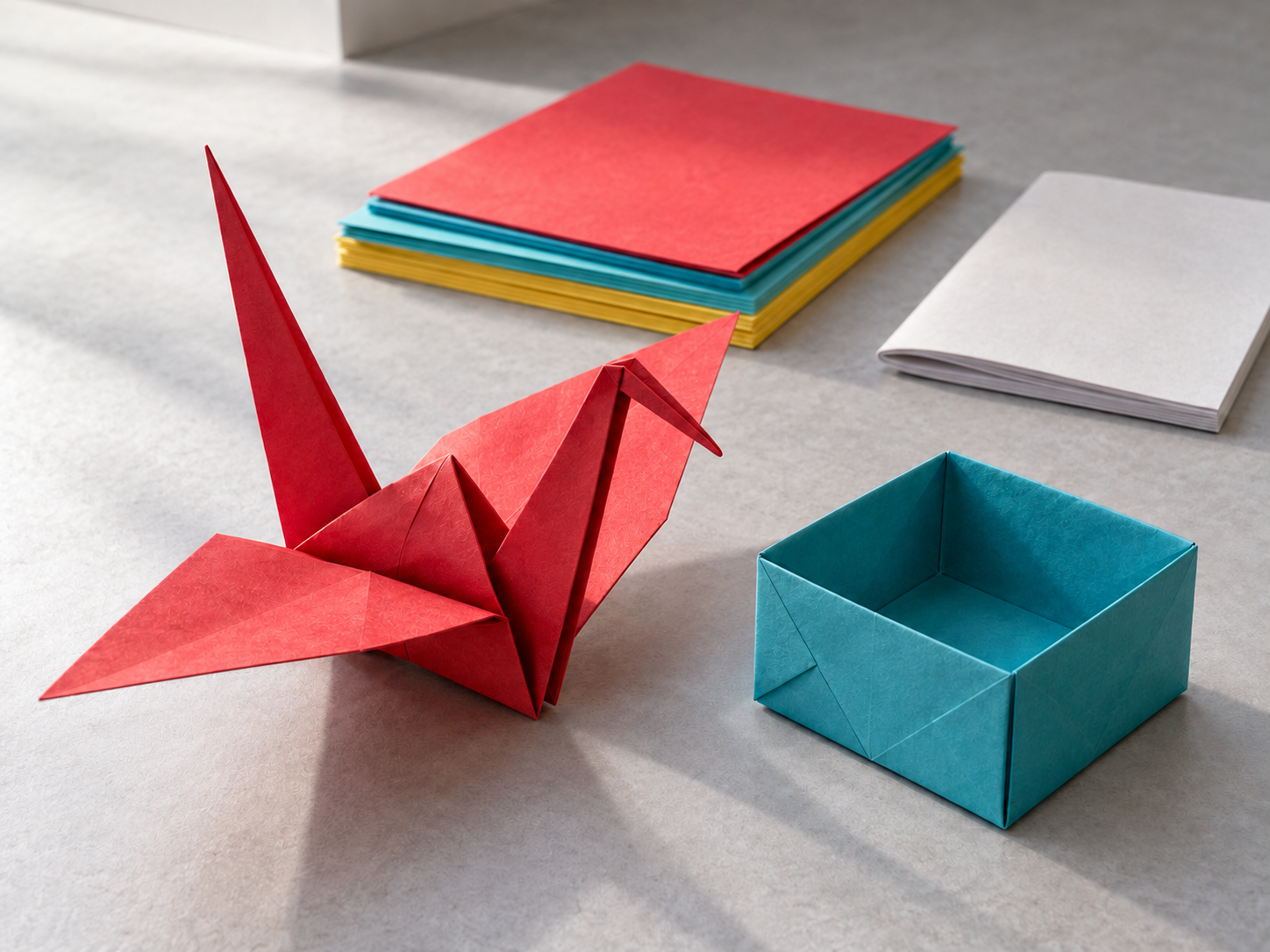
An origami kit combines folding papers and a project guide for making small paper creations, with materials to practise and try again.
Ad: GiftAim earns commission or fees from qualifying purchases and sign-ups through links on this page, at no extra cost to you. How we’re funded.
Let the projects lead the choice
Start with the models the recipient would like to make. A guide to animals, useful little boxes or geometric shapes offers a different experience from a collection of intricate flowers. For a new folder, a sensible progression matters more than the most elaborate design on the cover.
Read the contents to confirm that both paper and instructions are supplied. A refill pack can suit an experienced maker, but is a less complete introduction on its own. Plenty of sheets allow practice; they do not compensate for a guide that skips the steps the recipient needs.
Check how they will learn the folds
Look for clear diagrams with an explanation of the symbols, in a language they can comfortably follow. Video demonstrations may help when a movement is hard to picture. Confirm whether these are available online or only on a DVD, and whether the required device will be available.
Compare the paper dimensions and the designs it is intended for. Small sheets leave less room for fingers and repeated folds, so use the size recommended for a first project. Plain, patterned and different-coloured sides give different results; a few simple practice sheets can help the folds stand out.
A clear, flat working surface is usually the main setup. Read any requirements for added materials, cutting or assembly in the chosen projects. Match the manufacturer's age guidance and the folding difficulty to the person, rather than assuming origami kits are only for children.
Keep the first folds easy to follow
If the gift is meant to work without a screen, look for printed instructions that explain each fold clearly. Choose a sensible progression and paper the child can handle, rather than judging difficulty from an impressive finished model.
Follow the exact maker’s age guidance and allow for a willing grown-up to read or demonstrate the first steps. A few achievable models leave room to practise before moving on to more intricate projects.