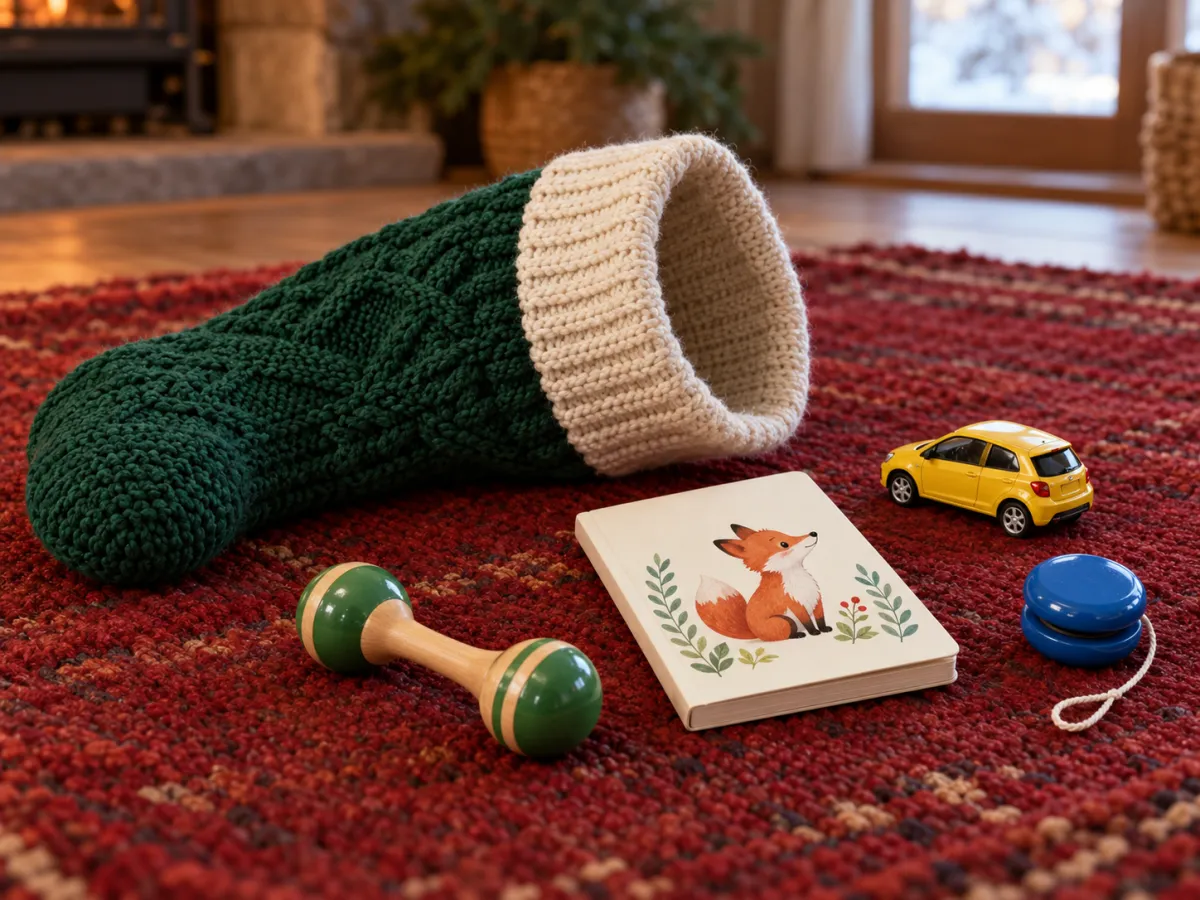
Find the little present they will want to use
Think of something the child returns to: telling stories with toy vehicles, drawing the same favourite animal or asking for another book at bedtime. A stocking filler can add to that pleasure without a large new kit. Check the whole retail pack against the opening before deciding it belongs in the stocking.
The ages below help you browse; they are not ratings for every product. Use the chosen item’s age and safety guidance first, then consider reading, dexterity, interests and the grown-up’s help. Keep small-part toys away from under-threes and take account of younger siblings, even when the gift is for an older child.
Babies and young toddlers: a little discovery together
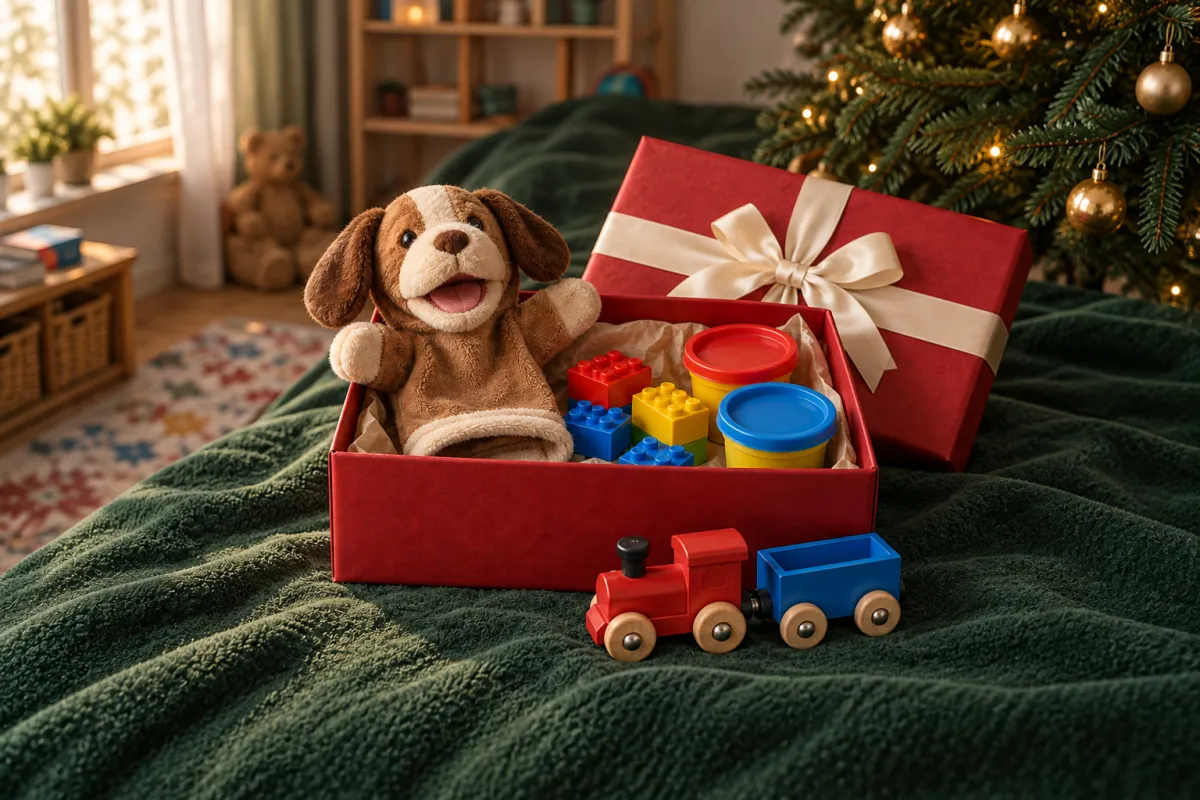
Ask the grown-up which sounds, shapes and books the child reaches for. A small rattle can add a different grip or gentle sound. A compact set of nesting cups suits filling, emptying and rebuilding when the actual set is appropriate for their stage; measure the nested cups and packaging, rather than the finished tower.
A small board-book version of a picture book can bring a favourite subject into a shared story. Check the real edition and language. Flaps, moving pieces and board pages change the way it is handled, so do not treat the format as proof of suitability for every baby. A single wanted book or toy makes a complete little present.
Around 2–4: familiar play in a small package
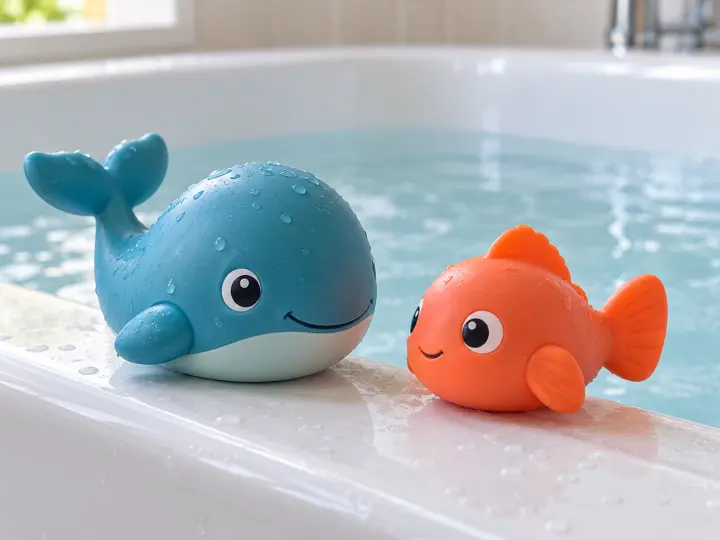
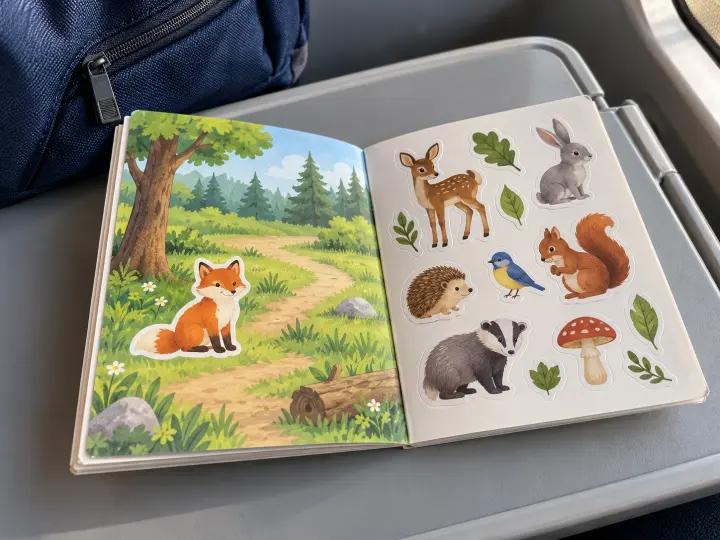
Around 5–7: a picture to make or a pattern to explore
A colouring book can give an enthusiastic picture-maker somewhere to begin. Look inside for the subject and level of detail, and check that suitable colours are available. A pocket edition is not necessarily easy; choose a clearer large page and wrap it separately when that would be more enjoyable.
For a curious observer: a toy kaleidoscope offers a changing view. Compare the eyepiece and turning action with what the child can comfortably use.
For someone with a favourite character: a small soft toy may be welcome. Read its actual measurements, construction and age guidance rather than guessing from a cuddly photograph.
For a story lover: a new little picture book in a subject they enjoy can be more appealing than an unfamiliar activity bought for its suggested age.
Around 8–11: something to practise or work out

Around 12 and up: let their current interests lead
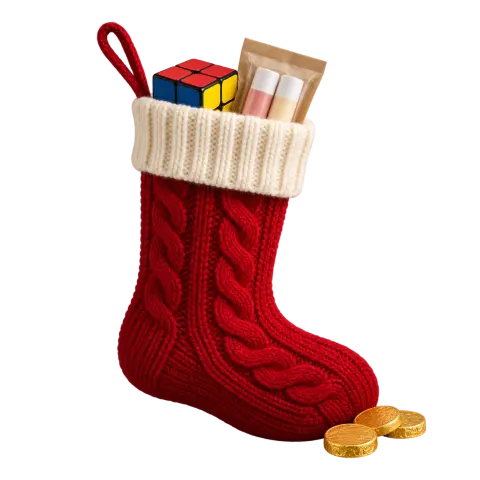
Choose the little detail they would notice. A keen reader may appreciate a bookmark in a design they like; someone who uses a phone at a desk might prefer a folding stand that supports it with the case on. An older child who enjoys colouring can have a portable book chosen for its pictures, rather than for a label on the cover.
A small lip balm set is worth considering when requested or already part of their routine. Choose a familiar formula and scent, and avoid making toiletries the automatic answer for teenagers. A small addition to an existing hobby can show that you have paid attention.
Leave the useful information with the gift
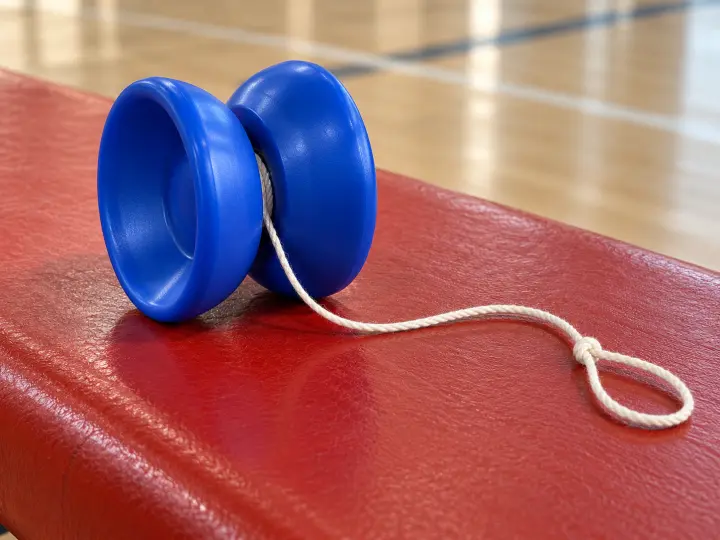
Keep the instructions and age labels, especially when several little presents come from the same shop. Check what is included: a book may need colours, crayons need paper and a yo-yo needs the right string. Give a larger item separately rather than stripping its packaging simply to make it fit.
When buying for siblings, agree on mess, noise and loose pieces with the household. Think about where the older child’s small components will be kept around younger ones. Different interests can mean different-looking stockings without requiring the same number of packages.
More ways to choose for Christmas
Sources
Child Accident Prevention Trust toy guidance supports the advice on product warnings, small parts and younger children. The gift selection and age sections are GiftAim editorial starting points. Reviewed 20 October 2026.