Make-your-own gift kits
Give a project they would enjoy making at their own pace. Compare craft, kitchen and growing kits around their experience, available space and the materials needed to begin.

Ad: GiftAim earns commission or fees from qualifying purchases and sign-ups through links on this page, at no extra cost to you. Price ranges are approximate and may vary. How we’re funded.
Amazon Prime for your gift shopping
Check whether your account qualifies for a free Prime trial. Paid membership follows unless you cancel before the trial ends.
Results did not update. Your previous results are still shown.
40 gift ideas
Images illustrate gift ideas; products may vary. Follow the shop links to browse products.

Pottery Wheel
A bigger step into throwing clay
- Gives an enthusiastic learner a way to practise throwing between classes.
- A powered spinning surface opens up a different clay-making process from hand-building.
Before you buy
- Equipment for making pots by hand, rather than a complete ready-to-use project kit.
- Confirm space, suitable power supply and a practical cleaning setup before buying.
- A wheel supplies no firing service; ordinary ceramic clay still needs a finishing plan.

Pottery Banding Wheel
Turn the work, keep the detail in view
- Brings each side of a clay piece within reach without repeatedly lifting it.
- A reusable stand can support hand-building, sculpting and decorative work.
Before you buy
- Supports hands-on clay work without adding a motor or electrical setup.
- Match disc size, working height and load capacity to their usual pieces.
- This manually turned stand does not replace a powered wheel for throwing.

Pottery Tool Set
Shape, smooth and finish their next piece
- Adds useful shapes for smoothing, trimming and marking clay.
- Reusable tools can follow a maker from one small project to the next.
Before you buy
- Supports hands-on clay projects, with materials and instructions chosen separately.
- Choose working ends and handle sizes suited to the clay work they do.
- Tools supply neither clay nor access to firing when the chosen clay needs it.

Linocut Carving Block Pack
Fresh blocks for the next bold idea
- Fresh blanks let a printmaker carve new designs without losing an old favourite.
- Small blocks are useful for stamps, cards and testing a new idea.
Before you buy
- Provides the blank surface for a handmade print, with tools and ink separate.
- Confirm whether they prefer traditional lino or softer synthetic carving material.
- Carving requires sharp tools, secure support and safe cutting technique.

Printmaking Brayer
An even layer of ink starts here
- Helps spread a controlled layer of ink across a relief-printing block.
- An extra roller can make working with several inks less fiddly.
Before you buy
- Supports hands-on printing with their existing blocks, ink and paper.
- The roller width and rubber hardness should suit their blocks and ink.
- A brayer is a tool, so it needs compatible ink and a printing surface.

Block Printing Ink Set
New inks, more ways to use the same block
- Several inks let one carved block produce quite different prints.
- A refill set extends the life of tools they already enjoy using.
Before you buy
- An ingredient for hands-on printing; tools and suitable paper are separate.
- Choose ink for their printing surface and preferred cleaning method.
- Paper-printing inks are not automatically washable textile inks.

Printmaking Paper Pack
Give their next print a better landing
- A fresh stack makes room for test prints as well as finished copies.
- Loose sheets can become a small edition rather than another bound notebook.
Before you buy
- Supplies for their next handmade print, rather than a complete first project.
- Match the paper to their printing process, ink and usual sheet size.
- Paper alone does not supply the ink, block, screen or printing tools.

Visible Mending Kit
Make the mend part of the story
- Tools and thread for a visible repair support a hands-on make-it-yourself project.
- Offers a way to make a visible repair part of a garment’s design.
Before you buy
- Establish whether the set uses a darning loom or stitched patches, and which supplies and instructions are included.
- Garment, patch fabric and scissors may be separate from the kit.
- A repair may change the fabric’s feel, and one technique will not suit every worn area.

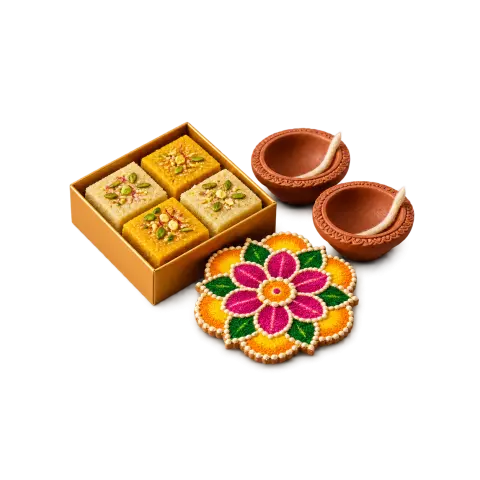
Rangoli Kit
Colours and shapes for a pattern of their own
- Gives them a decorative pattern to build up with colour in their own way.
Before you buy
- Choose a set with something to make; a completed rangoli mat is a different purchase.
- Read the contents for colours, stencils, boards and tools; not every pack is a complete project.
- Allow for spilled grains and follow the exact set’s handling and supervision instructions.
- Templates may be reusable while the supplied colours need replacing.

Pumpkin Decorating Kit
Let them give a pumpkin its own expression
- Makes choosing and arranging a pumpkin’s expression the activity, without carving its skin.
Before you buy
- For a making session they can start, include a suitable pumpkin and any materials the pack asks you to provide.
- The pieces need to suit the size and surface of their real or artificial pumpkin.
- Follow the exact age guidance with the grown-up; no-carve does not rule out small parts or tools.
- An uncut real pumpkin still has a limited life, and outdoor durability depends on the decoration materials.

Friendship Bracelet Kit
A few threads, a gift of their own
- Colour choices and handmade patterns turn a small project into something personal.
Before you buy
- Select a complete making project with its teaching, rather than loose supplies on their own.
- Clear diagrams should teach the knots or braids and show how to finish the bracelet.
- Read the contents list for a suitable work holder and any tools supplied separately.
- The pleasure is in repeated making; it is not a finished jewellery present.
- Use the exact age guidance and account for small charms, beads or scissors.

Building-Block Flower Kit
Flowers they can build and keep
- The recipient assembles the supplied pieces into the finished display.
- Combines a making session with flowers they can keep on display.
Before you buy
- Compare finished dimensions, piece size and whether a vase or base is included.
- Miniature blocks can be fiddly and may not fit ordinary interlocking bricks.

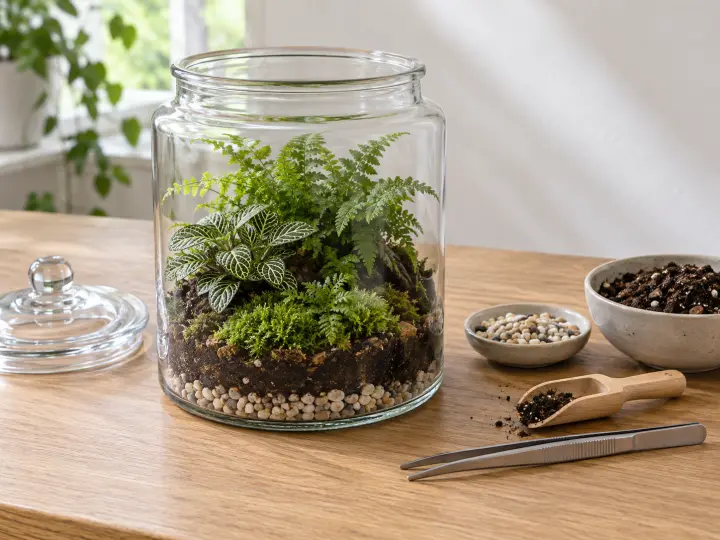
Terrarium Making Kit
A miniature garden they can put together themselves
- Offers a small planting project and a display to observe afterwards.
Before you buy
- Check whether the container, living plants, materials, tools and guide are supplied.
- Choose plants suited to the open or sealed container and confirm display dimensions.
- The planting still needs appropriate conditions and observation; maintenance-free claims have limits.

Bookbinding Kit
A notebook they can make their own
- Making a notebook brings together folding paper, sewing and cover-making, with a useful finished book to keep.
Before you buy
- Look for clear teaching for the supplied binding method; a collection of tools alone may leave a beginner needing a guide or project.
- Check for paper and cover materials, the number of books they will make, and any extra glue, brushes, weights or press required.
- Choose a finished size and paper that suit how they will use the notebook, and check age guidance for sharp tools and needles.
- Do not assume a general bookbinding kit is suitable for repairing a treasured or valuable book.
- If they already bind books, check the project and consumable contents before choosing another set of tools.

Leathercraft Starter Kit
Their first leather project, stitch by stitch
- A wallet, key fob or card holder project gives a beginner a useful item to make while learning leathercraft by hand.
Before you buy
- Check whether leather pieces and a pattern are supplied; some starter sets contain tools but leave the project materials to the recipient.
- Make sure they are comfortable with the supplied material if they avoid animal leather.
- Choose tools and instructions for their intended technique, and check whether a mallet, punching board or cutting surface must be added.
- Sharp tools and needles require careful use and storage. Check the maker’s age guidance before choosing a set for a younger crafter.

Woodcarving Starter Kit
A small block, a first carving of their own
- A starter set introduces shaping wood by hand, with reusable tools for learning small carved projects.
Before you buy
- Read the tool profiles, supplied wood, instructions and care materials, then check the required protection, work holding and storage.
- Sharp carving tools need careful technique and appropriate supervision. Supplied gloves or guards do not make them safe for every recipient.

Mosaic Making Kit
Small tiles, a pattern made by them
- A tile mosaic kit combines arranging colour and pattern with a small finished piece to keep or display.
Before you buy
- Confirm the base, tile amounts, adhesive and any grout, tools or protection, and check how many drying stages are needed.
- Tiles and grouting materials need the maker's care instructions. Check the complete project's suitability before using it outdoors, near water or with food.

Origami Kit
Paper folding with something new at every turn
- A paper-folding kit gives the recipient projects to learn and practice sheets for making their favourites more than once.
Before you buy
- Compare the models, paper dimensions and instruction style, and check whether video guidance works on a device they use.
- More paper does not guarantee a better introduction. Tiny sheets or advanced models can make a first folding project unnecessarily difficult.

Weaving Loom Kit
A little loom, a textile made their way
- A frame weaving kit offers a new hands-on process and reusable equipment for making small textiles in their own choice of yarn.
Before you buy
- Check the usable width, yarn quantities, included tools and any assembly, plus instructions for removing and finishing the work.
- Compact frames are intended for small pieces; check the actual project capacity rather than expecting a full-length scarf from a small loom.

Needle Felting Kit
A handful of wool, a small creation to keep
- A needle felting project turns loose wool into a small sculpted figure or picture, with a tactile piece to keep after making.
Before you buy
- Read the wool quantities, instructions and tools, and confirm that a suitable felting surface and needle storage are provided.
- The sharp needles need careful handling and suitable supervision. A finished figure should not be assumed safe as a child's or pet's toy.

Macramé Starter Kit
A first set of knots with something to show for it
- A supplied pattern, cord and fittings help the recipient learn a sequence of knots while making a small finished piece.
Before you buy
- Read the cord length and thickness, project instructions and contents; check whether lengths need cutting and which tools they must supply.
- Several pictured designs may share one supply of cord. Pots, hanging fittings and suitable mounting can be separate requirements.

Punch Needle Kit
Make their first loops into something to keep
- A guided punch needle project lets the recipient learn a looped textile technique and turn the practice into a piece to keep.
- For an embroidery enthusiast, punch needle offers a different texture; choose matched fabric, fibre and tool rather than relying on their existing embroidery supplies.
Before you buy
- Look for compatible materials, a hoop or frame that holds firm tension, threading guidance and instructions for forming loops.
- Finishing may require separate backing, glue or fittings. Check the maker's guidance for the sharp tool, including age suitability and supervision.

Screen Printing Kit
One design, ready for another print
- Makes a prepared stencil reusable for a small run of art prints or suitable fabric designs.
- Lets a printmaking enthusiast try a mesh-screen process with scope for repeated designs and colour experiments.
Before you buy
- Establish which stencil process it teaches and whether the ink, coating materials and exposure equipment it needs are supplied.
- Preparation, drying and cleaning need space and time; printing on fabric can require a separate heat-setting stage.

Cocktail-Making Set
A useful starting kit for their own drinks
- Gives someone reusable tools for measuring and mixing drinks they enjoy at home.
Before you buy
- For making it yourself, check the equipment and instructions against their recipes and experience.
- Match the tools to their chosen recipes, including alcohol-free drinks if that suits them.
- Check shaker style, readable measurement units and useful tools rather than the total piece count.
- Read the supplied contents and care instructions, allowing space to prepare drinks and store the kit.
- Tool kits usually leave spirits, mixers, ice and glasses to buy separately; accessory counts can exaggerate the useful set.

Pumpkin Carving Kit
A Halloween project with a face of its own
- Carving a pumpkin turns the gift into an activity and a decoration they have made themselves.
Before you buy
- Count the usable tools separately from paper templates, stickers and lights before comparing kit sizes.
- Follow the manufacturer's age and use guidance, and decide who will do the cutting if children are joining in.
- A tool kit may not include the pumpkin, and the carved decoration will not keep like a permanent ornament.

Building-Block Advent Calendar
Small builds to enjoy before Christmas
- Small building projects give someone who enjoys assembling models an activity during the Christmas countdown.
Before you buy
- Choose between separate daily models and stages of one larger scene to suit the way they like to build.
- Read the brick size, instructions, age guidance and small-parts warnings; flat acrylic ornaments are not a building kit.
- Very small bricks can be awkward to handle, and an ongoing scene needs somewhere to stay assembled.

Mushroom Growing Kit
Something edible to watch grow
- A prepared culinary kit offers an edible growing project to watch develop at home.
Before you buy
- Check that the prepared block or tray is supplied, rather than empty equipment or a separate culture.
- Compare the mushroom's stated conditions and kit dimensions with their available indoor space.
- Suitable conditions and ongoing care matter, so a fixed harvest cannot be assumed.

Chocolate-Making Kit
An afternoon making something worth sharing
- It makes preparing confectionery part of the gift for someone who enjoys kitchen projects.
Before you buy
- Confirm whether chocolate and other ingredients come with it or must be bought separately.
- Compare the supported recipe, quantities and equipment needed to melt, mix or shape the batch.
- Making and washing up require more involvement than opening a ready-made chocolate box.

Sushi-Making Kit
A meal to make, share and enjoy
- It offers a rolling and shaping activity that can become a shared meal.
Before you buy
- Confirm whether rice, nori or any ingredients are supplied alongside the tools.
- Choose practical rolling equipment and instructions for an approachable first recipe.
- Preparing rice and fillings remains part of the work, even with a rolling device.

Fermentation Kit
For a cook interested in what happens next
- It supplies equipment for a cook interested in making fermented vegetables.
Before you buy
- Check whether jars come with it and whether any supplied lids fit the intended jars.
- Compare manageable batch capacity, extra ingredients and clear recipe instructions.
- Leaving and monitoring jars takes space and attention beyond the initial preparation.

Cheese-Making Kit
Give them a new kitchen skill to try
- A fresh-cheese project suits a cook curious about making something from scratch.
Before you buy
- Compare the supported recipes, ingredients and equipment for the first cheese they want to attempt.
- Read the milk requirements and check any extra pans or measuring tools needed.
- Preparing and following the recipe takes more commitment than receiving finished cheese.

Polymer Clay Kit
Shape small ideas into lasting objects
- Turns small amounts of colour into durable beads, charms, miniatures and decorations.
- Offers an unusually broad range of projects from one compact box of material and tools.
- Lets a beginner start small while giving an experienced maker plenty of room to mix and refine.
- Supports repeatable hands-on projects with colour, texture and useful small-object techniques.
- Gives an artist a direct three-dimensional medium for form, pattern and miniature composition.

Embroidery Starter Kit
A design to enjoy learning stitch by stitch
- A guided design takes a new stitcher towards a finished piece they can keep or display.
- Conventional embroidery uses hand stitches; punch needle makes loops with a different tool and matched fabric.
Before you buy
- Check for hoop, fabric, needles and enough thread, with teaching for the stitches and finishing the work.
- Match the design to their taste and patience; a small hoop can still contain intricate stitching.
- Look for clear stitch teaching for a newcomer, or a useful new technique for someone who already embroiders.

Linocut Printmaking Kit
Carve once, print a whole edition
- Combines drawing, carving and printing in one absorbing process with a tangible result.
- One carved block can produce a small edition of handmade cards or prints.
- A complete kit removes the guesswork from matching the first tools, ink and surfaces.
- Lets an artist translate bold shapes and linework into a repeatable handmade print.
- A satisfying multi-step craft for someone who enjoys tools, texture and making multiples by hand.
Before you buy
- Look for appropriate carving tools, secure block support and clear guidance for working away from hands.

Candle-Making Kit
A making session with candles to keep
- Blends a satisfying making session with candles they can enjoy afterward.
- Supplied scents and dyes offer choices within the kit’s stated recipes.
- Finished candles can be kept, shared or used to make an evening feel more considered.
- Offers a first candle-making project with materials selected to work together.
Before you buy
- Compare wax quantity, container capacity, matched wicks and any separate heating equipment required.
- Hot wax needs a suitable protected workspace, careful handling and the maker’s age and supervision guidance.

Crochet Starter Kit
One hook, a little yarn and a new skill
- A compact kit turns spare moments into steady, visible progress.
- The repeated stitches can feel calming once the first rows click.
- Finishing a scarf, basket or small character gives a beginner a genuine sense of achievement.
- Gives a new crocheter a guided first project, with yarn and hook choices made together.
Before you buy
- Confirm the pattern, yarn quantity, hook and finishing pieces needed for the pictured project.
- Read the US or UK stitch terminology and check access to any teaching videos.
- A tools-and-yarn assortment may need a separate pattern, and a small animal is not automatically an easy first make.

Pottery Starter Kit
Shape something satisfying by hand
- The hands-on process feels absorbing without requiring artistic precision.
- They finish with decorative pieces that carry their own shapes, textures and ideas.
- A complete kit makes an unfamiliar craft approachable from the first pinch of clay.
- Offers a pottery beginner a first experience of hand-building without committing to a wheel.
Before you buy
- Find out whether the clay air-dries or needs firing, and what finishing materials the kit supplies.
- Air-dry projects are generally decorative; a sealant does not automatically make them suitable for food or drinks.

Book Nook Kit
Build a tiny world between favourite books
- Offers a satisfying project followed by a display piece they can keep.
- The miniature details reward slow, focused making and close inspection.
- Fits naturally into the home of someone who already treasures their shelves.
Before you buy
- Compare the finished dimensions with their shelf and confirm the lighting power source.
- Tiny parts and detailed assembly need time and suitable workspace; it is not a ready-made decoration.

Knitting Starter Kit
A first knitting project, ready to learn from
- A matched project gives a new knitter yarn, needles and a clear result to work towards.
Before you buy
- Look for teaching on casting on, the stitches used and finishing; a pattern alone can assume knowledge they do not yet have.
- Check yarn quantity and needle size against the project, plus any extra tools needed to finish it.
- For an experienced knitter, basic supplies may repeat what they own. Choose a starter project when the design or technique is one they would like to try.

Sourdough Bread-Making Kit
A satisfying project they can eat
- Makes the unfamiliar steps of proofing, shaping and scoring feel more approachable.
- The basket, scraper and scoring tools can be used long after that first loaf.
- Becomes more personal with favourite flour or a handwritten promise of emergency starter advice.
- Supports the proofing, shaping and scoring stages of handmade sourdough.
Before you buy
- Match the proofing basket to their intended loaf size and confirm whether starter is included.
- A kit supplies tools, not an instant loaf; sourdough still needs time and ongoing starter care.
Choose the making as carefully as the finished thing
A kit gives someone a reason to begin: a first row of stitches, a little clay shape or the pieces of a miniature room. Picture the activity they would enjoy, rather than only the object you would like them to finish. The project is part of the present.
Decide whether they need teaching or supplies. A guided first make can bring suitable materials and instructions together. An experienced maker may prefer reusable tools and materials for their own ideas. A bigger assortment does not necessarily serve either person better.
Find the process that appeals to them
An embroidery project uses ordinary stitches, while punch needle needs a tool, fabric and yarn selected for its own loop-making technique. Knitting and crochet are different crafts, too. Choose the skill they want to try rather than expecting one yarn bundle to teach everything.
Compare the texture and method of macramé, needle felting and frame weaving. Knotting cord, shaping wool with a barbed needle and weaving across a loom require different tools and handling. A guided origami kit may appeal when a paper project and compact setup are more their style.
A pottery starter kit is a different material choice from polymer clay, with different drying or curing instructions. Mosaic making assembles pieces into a design; woodcarving shapes an object with sharp tools. Consider where they will work and how the materials are handled, as well as the example on the packaging.
Something to display, use or make again
A book nook kit builds a shelf scene through detailed assembly. Bookbinding offers a notebook to make, while leathercraft can introduce a small stitched accessory. Establish whether the set supplies one complete project, its materials or only a selection of tools.
For a compact project to wear or share, consider a friendship bracelet kit with thread and knotting or braiding instructions. Look for a manageable first pattern, a way to hold the work and printed steps through to the finishing ties. Beading and rubber-band weaving are different activities, however similar the box names.
A visible mending kit gives an existing piece of clothing a project of its own. A small darning loom or patch-stitching supplies can make the mend decorative, but fabric, tools and teaching need to suit the repair. Check what is supplied and leave the garment choice to the maker.
For someone who already binds books, paper or cover cloth can replenish a project they have chosen. These supplies do not replace a kit’s instructions. Check for an included folder before buying a separate tool for creasing and smoothing.
A linocut kit creates a carved block that can print several times. Screen printing uses a different stencil-and-ink process and needs its own preparation and clean-up. For both, confirm the intended printing surface, learning support and extra materials required.
For someone already printing, carving-block refills, printing paper or a brayer support projects they choose themselves. These are supplies and tools, so a first-time maker still needs the rest of a working setup.
The same distinction applies to clay: a pottery tool set adds shaping tools, and a manual banding wheel supports building and decorating. A powered wheel is a larger commitment to learning to throw; clay, teaching and firing are separate arrangements.
Make something in the kitchen, or grow it
A sourdough bread-making kit brings starter care and a baking routine; cheese-making and fermentation have their own ingredients and preparation. Sushi-making and chocolate-making can become a shared activity, but the kit may supply tools without the fresh ingredients. A cocktail-making set suits someone who wants that particular activity and its actual drinks.
A terrarium kit gives them a planted display to assemble and tend. A mushroom growing kit is a separate growing project. Read the live contents, storage before starting and conditions needed. A supplied kit cannot promise an immediate result or guarantee growth.
Work out what gets the first session underway
Compare the instructions with the contents: essential tools, teaching access, materials and finishing pieces all matter. Allow for a work surface, drying or curing time and somewhere to store the work. A candle-making kit needs appropriate heating arrangements and careful handling of hot wax as well as a scent they like.
Beginner does not automatically mean suitable for children. Follow age, supervision and handling guidance for sharp tools, needles, chemicals and hot work. Let the maker take their time; the present should not come with a deadline to produce something.
Building-block Advent calendars and pumpkin-carving kits are seasonal options in this selection. Choose them for the actual activity and timing. If the recipient would prefer a finished treat to a kitchen project, explore food and drink gift ideas.
Keep following what they enjoy
For a finished treat, explore food and drink gift ideas. If the project is only one possible gift for a reader, our book-lover gift guide offers other choices for their shelves and reading routine.
Choosing a Christmas project or a useful addition to an established hobby? Our Christmas gifts for crafters guide separates first kits from specialist tools and materials.