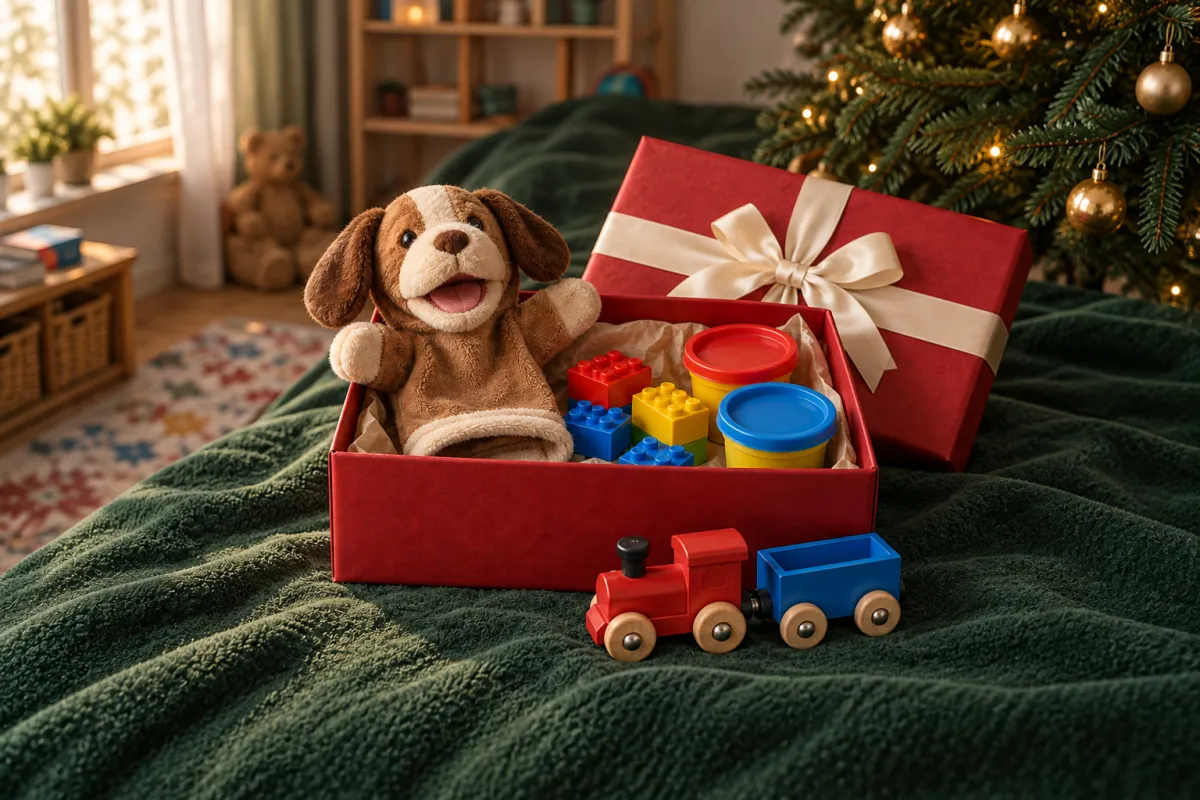
Find a gift for the way they like to play
A baby exploring a crinkly book and a twelve-year-old plotting an escape-room puzzle need very different presents. Start with what the child chooses for themselves: building, running, drawing, collecting, pretending or getting everyone into a game. There’s plenty here for quiet afternoons and loud Christmas gatherings, indoors and outside.
Screen-free describes the play, rather than promising that every gift is completely electronic-free. Some audio players and responsive toys need adult setup; others work straight out of the box. Follow the exact product’s age and safety guidance, then consider reading, dexterity, attention and the help available. The age starting points below are suggestions for browsing, not age ratings for every product mentioned.
A quick starting point by age
Babies and young toddlers: cloth or board books, stacking cups, large nesting toys, rattles and sturdy cause-and-effect toys made for their stage. Simple things to grasp, fill, empty and repeat can make a very satisfying present.
Around 2–4: larger building pieces, a first pretend shop, dolls, chunky animal figures, play dough with an appropriate age label, and simple matching games. Look for play they can begin without a long explanation.
Around 5–7: construction sets, beginner board games, art materials, dress-up accessories, scooters and easy nature activities. Some children want a shared project; others want to take charge themselves.
Around 8–11: more involved marble runs, paper engineering, card games, science experiments, outdoor sports and crafts with something useful to keep. Clear printed instructions help an independent maker get going.
Around 12 and up: a good instrument, more demanding puzzles, strategy games, model building, embroidery or drawing materials chosen for their taste. Older children don’t have to stop enjoying plush animals or familiar characters just because their interests are growing.
What looks promising for Christmas 2026?
The US Toy Association’s 2026 trends highlight creative construction, low-tech play, collectibles and fandom. London Toy Fair also reported character plush toys, wearable accessories and games. Those are useful pointers, not a guarantee that a particular toy will become the Christmas hit.
For a child who loves Bluey, the LEGO Bluey range gained new sets in June 2026, including DUPLO and smaller-brick options. Choose the exact age-marked set and a scene they’ll actually want to play with. A familiar character can be the invitation into physical storytelling; watching the show isn’t part of using the toy.
LEGO SMART Play is a newer option for a builder who enjoys lights and sound. The child can play without a screen, while an adult companion app handles settings and updates. All-In-One and Compatible boxes contain different components: a Compatible set does not include the SMART Brick. Check the contents before choosing it as a first set. Ordinary bricks remain a good choice when they’d rather invent quietly.
Pokémon cards are another timely possibility for a fan, but decide whether they want to collect or play. A guided starter such as Battle Academy serves learning the physical game better than assuming random booster packs make a playable gift. For plush toys, figures and bag charms, find out the character or collection they love; a known favorite can be a better surprise than another unknown blind-box duplicate.
Building toys that leave room for another idea
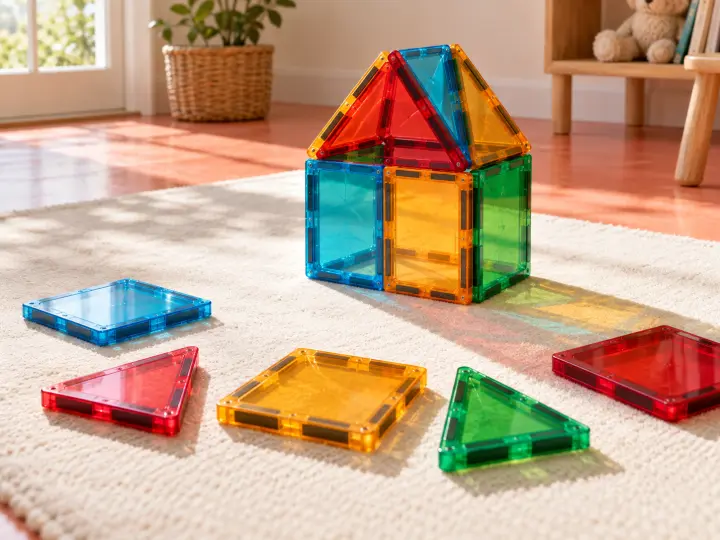
For a child who rebuilds everything, loose bricks or magnetic tiles give more freedom than a model intended mainly for display. A small complete set can be more useful than a huge expansion for a system they don’t own. Check piece size, the maker’s age label and compatibility with the collection at home.
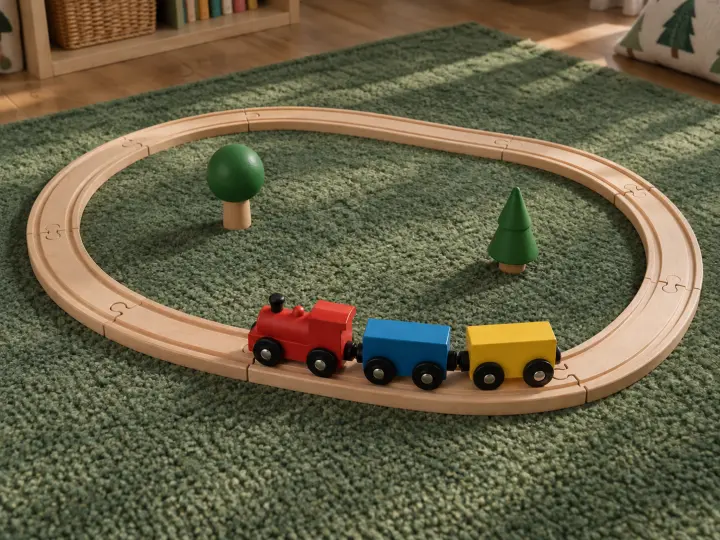
A wooden railway brings routes, stations and little stories together. Look for enough track to make a satisfying layout and at least one train, rather than a track-only box. A marble run changes the question from “What can I build?” to “Will this route work?” Some are suited to younger builders; others use small marbles and need much more planning. Keep small parts away from younger siblings and stop using damaged magnetic toys.
Compare building and route-making gifts
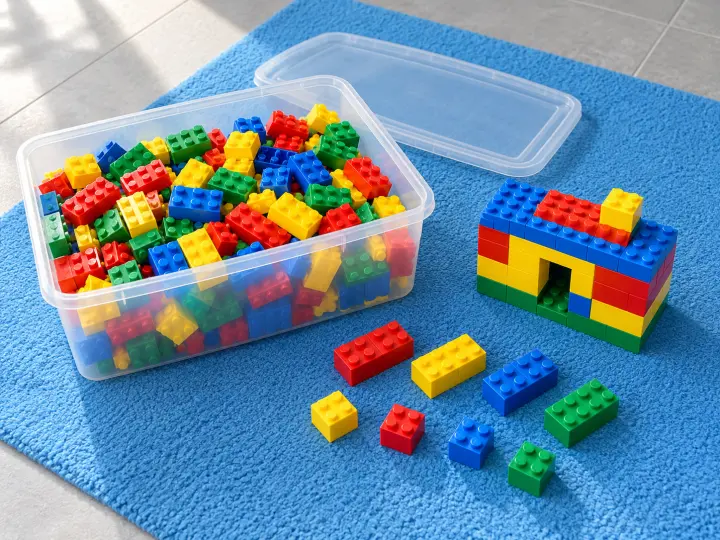
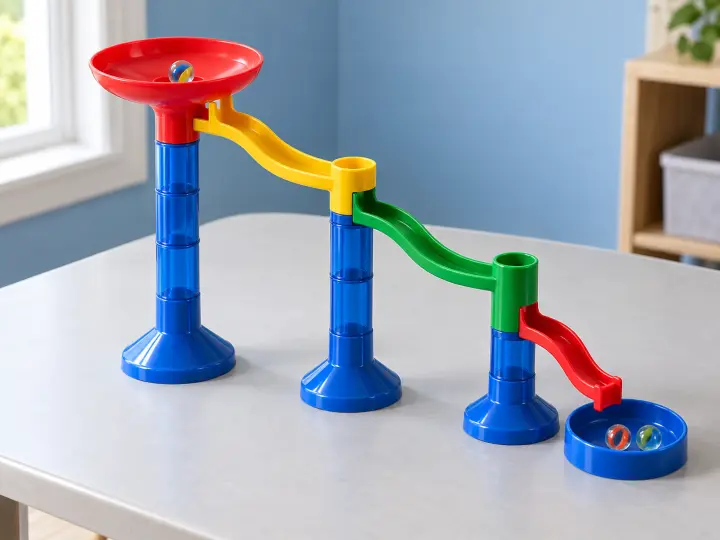
For older builders, consider a mechanical construction kit, a model vehicle or a cardboard engineering project. Look for printed steps and check whether glue, tools or an adult’s help are part of the project. A display model and a toy meant to be taken apart make different gifts, even if both come with lots of pieces.
Make-believe: kitchens, dolls, costumes and little worlds
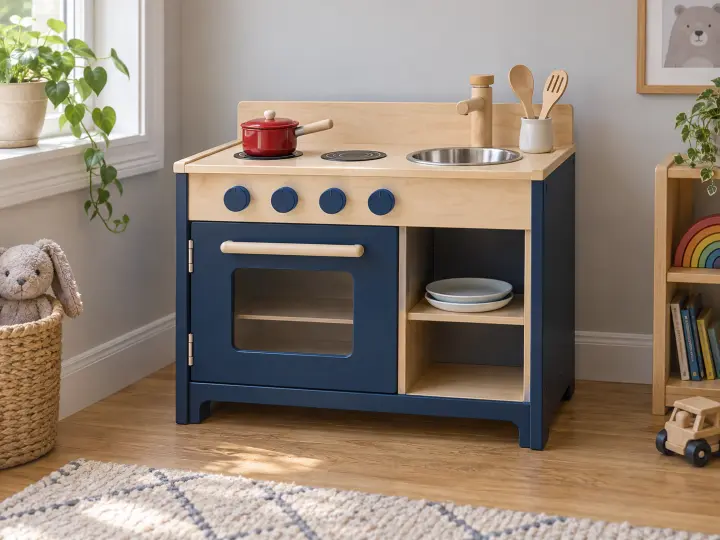
A play kitchen, pretend grocery store or toy vet kit gives a child a setting they can change every day. A doll and a simple care accessory can be a whole present; a dollhouse needs matching-size figures and somewhere to live. Animal figures, vehicles and play mats offer smaller ways to build a world.
Dress-up works beyond a full character costume. A cape, a doctor’s bag or a collection of role-play hats leaves room for several stories. Choose comfortable pieces they can manage, and check costume guidance and small attachments rather than assuming a larger size makes an item suitable.
Start a story of their own
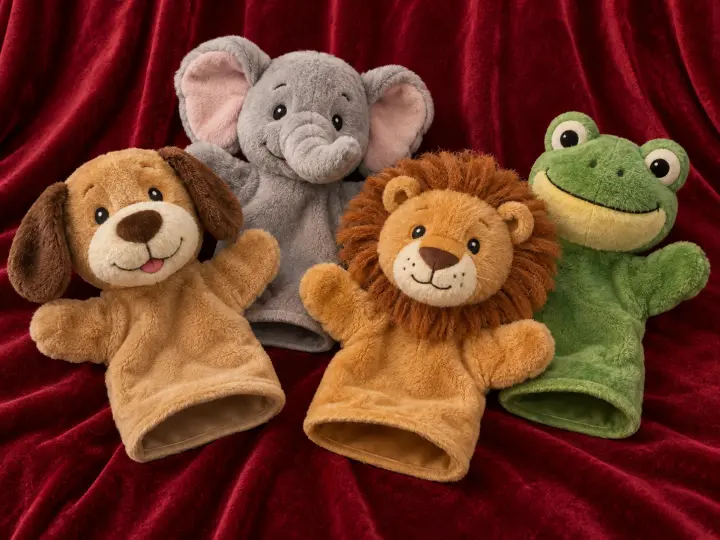
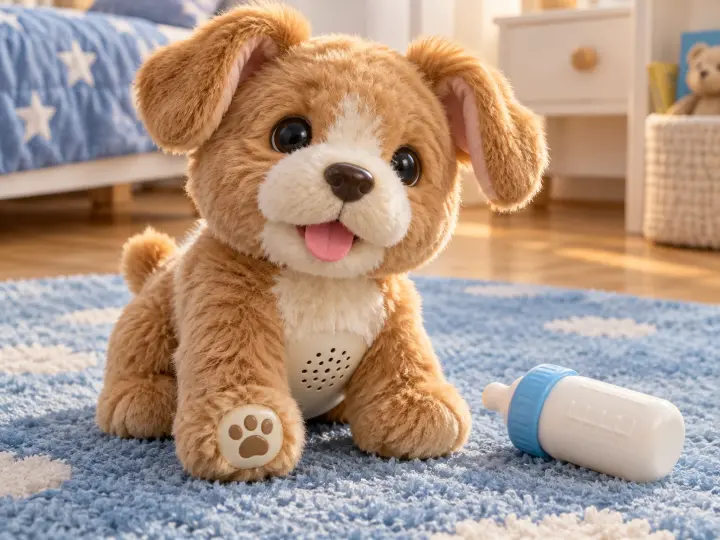
A puppet set can turn the back of a chair into a stage. A soft animal can be the patient, passenger or audience. Interactive pets add reactions, but sound, batteries and an off switch matter; some products sold as digital pets have screens and won’t fit this brief.
Art and crafts with something to show for the afternoon
An appealing drawing kit can be as simple as paper, pencils and a subject they love. Chunky washable materials suit a different stage from an artist’s pigment set. For watercolor painting, include suitable paper and brushes instead of spending the whole budget on more colors.
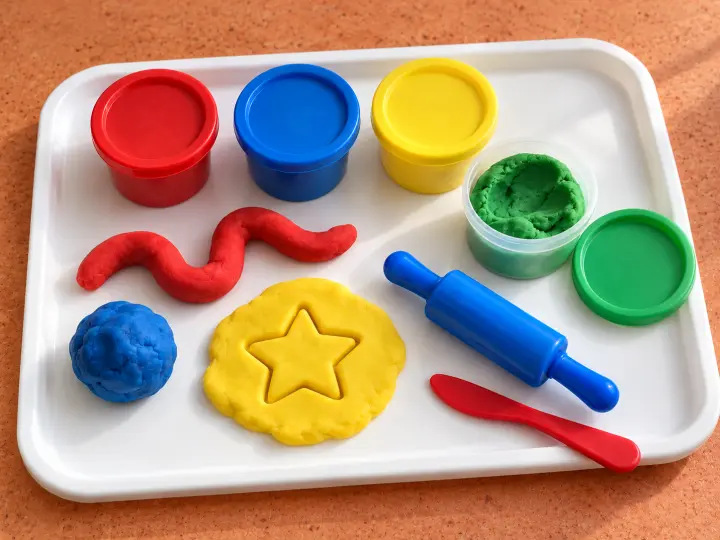
Play dough is for repeated squashing and reshaping; air-dry clay is for a creation that sets. Neither is the same as oven-bake clay. Follow the chosen material’s ingredients, age label and finishing instructions, and agree on a work surface. A tray or washable mat can be a thoughtful part of the gift.
For drawing, folding and reshaping


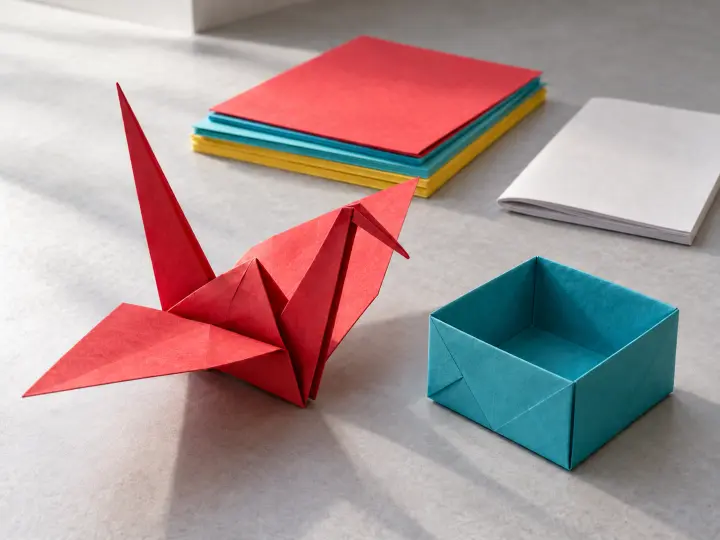
For children who like making things to wear or give away, consider friendship bracelets, beadwork, paper flowers or collage materials. Choose the bead size, fastenings and tools for the child, with small components kept away from younger children. A compact, finishable project often feels better than a giant box of unrelated supplies.
Older children may enjoy a weaving loom kit or an embroidery starter kit. Read the teaching material before choosing: diagrams should show the technique, not just the finished picture. Needles and scissors call for the right age and supervision, and printed guidance matters if the activity is to stay offline. A small sketchbook is a useful companion for a child already filling every spare page with drawings.
Indoor games for Christmas day and beyond
Choose for the people who will actually play. A preschool matching or picture-lotto game should work without confident reading. A quick card game can travel between homes; a cooperative game gives the group one shared challenge. Children who enjoy competition may prefer racing, balancing or flicking to a long rules explanation.
Bring people around the table
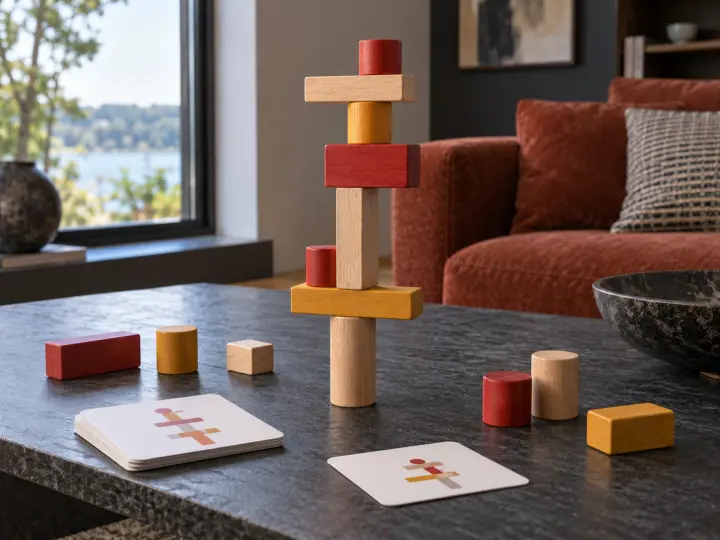
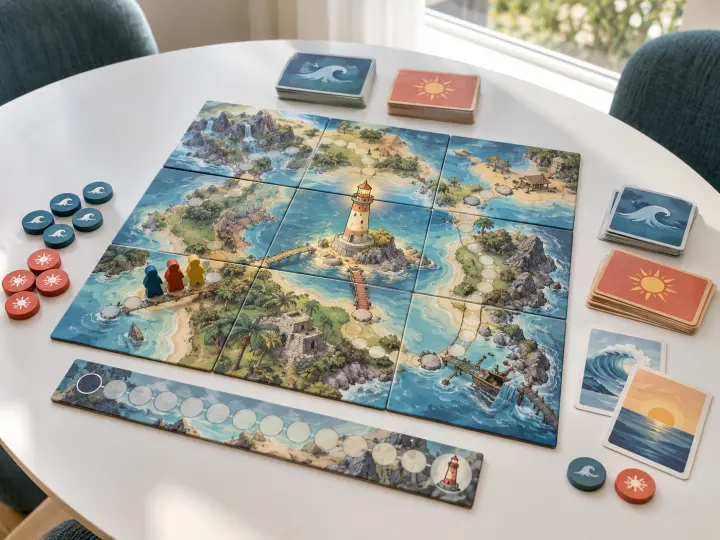
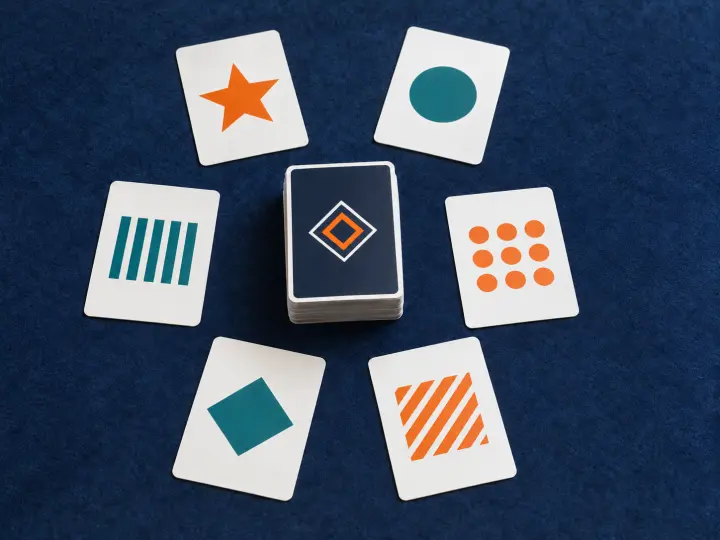
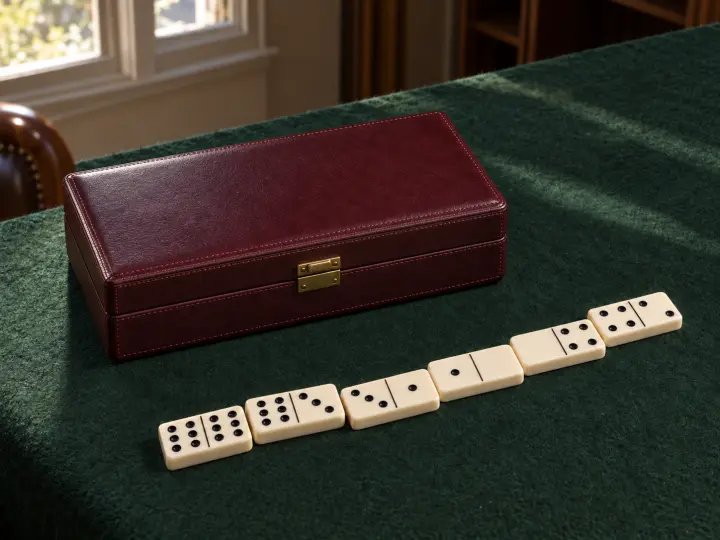
A chess set can be a lasting present for someone keen to learn, especially with a printed beginner guide or a willing playing partner. For a younger child, a simple turn-taking game they can finish may be the more welcome choice. Check minimum player numbers: a group game isn’t much use when their usual playmate is just one sibling.
For active indoor play, consider soft skittles, beanbag targets or a floor game. Check the actual room and flooring, clear breakable objects and follow the equipment’s instructions. A large movement toy is worth agreeing with the grown-up before it arrives; “indoor” doesn’t mean it fits every home.
Puzzles for solo time or a shared challenge
A jigsaw with a favorite subject gives a quieter activity its own appeal. Piece size, the picture and finished dimensions matter alongside piece count. A younger child might enjoy a chunky inset puzzle or a floor puzzle; an older child may want an absorbing scene they can return to over several days.
Choose their kind of puzzle
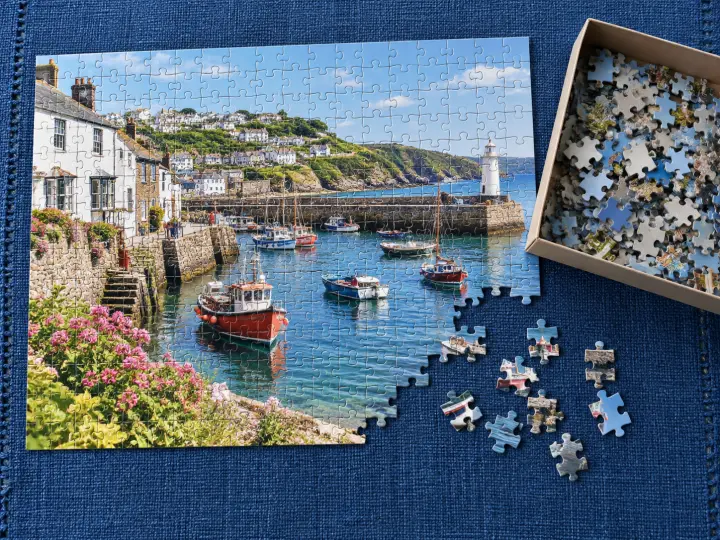

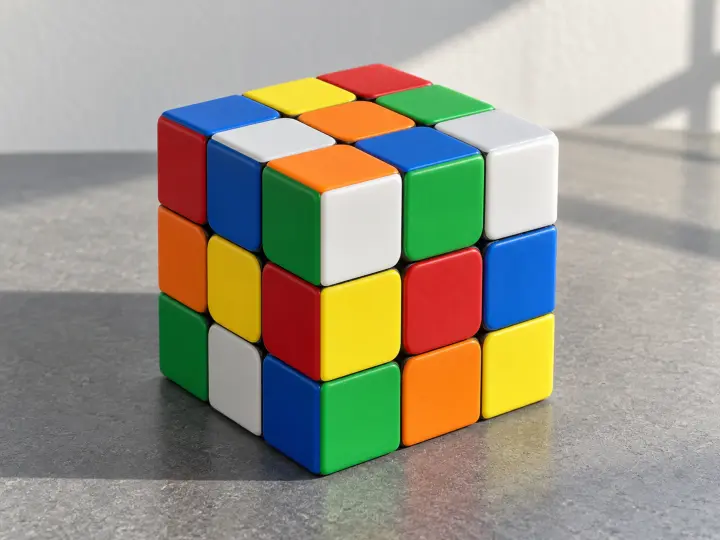
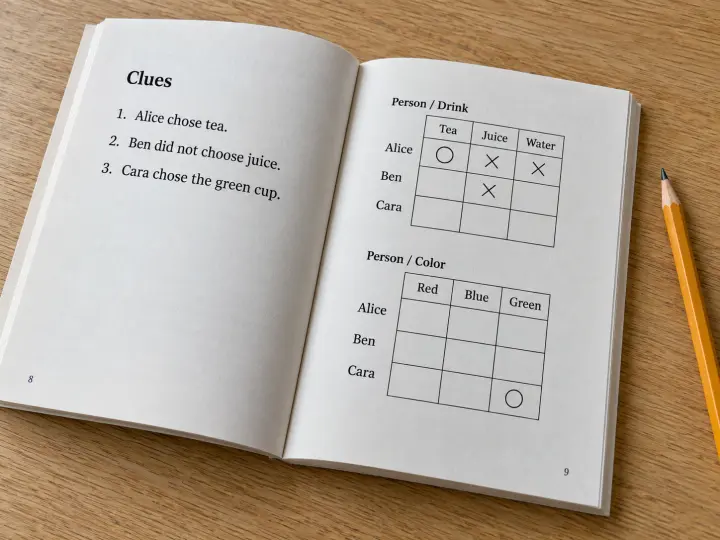
For an older child who enjoys mysteries, an at-home escape-room kit can make a shared Christmas activity. Confirm that the exact edition works without an app, website or audio stream, and check the theme, age guidance and hint system. Some are one-use experiences; that’s worth knowing before passing one between siblings.
Outdoor gifts for wherever Christmas happens
Christmas might mean a chilly park, a sunny yard, a beach trip or a long-awaited visit to family. Choose for the child’s actual space and climate, rather than treating outdoor gifts as summer-only presents. In a cold region, something they can use on a dry day now is easier to enjoy than a box that must wait months.
Balls, goals and throwing games: a correctly sized soccer ball, basketball, catch set or flying disc can turn a familiar patch of ground into a game. Check whether a pump, suitable hoop or goal is already available, and leave enough clear space around play.
Scooters, balance bikes and pedal bikes: match the exact model to fit, ability and the family’s riding space. Agree larger purchases with the grown-up and include the properly fitted protective equipment the activity requires. Wheel count and advertised age alone don’t settle the fit.
Garden and yard games: skittles, soft throwing targets, ring toss and a portable badminton set offer different levels of coordination and setup. Check player numbers and whether pegs, poles or a net need a suitable surface.
Kites, bubbles and sidewalk chalk: smaller presents can give a walk or outdoor visit a purpose. A kite needs suitable wind and an open place away from roads and power lines; chalk needs a permitted surface and bubble liquid needs its own cleanup plan.
Sand and water play: buckets, scoops, a sand-building set or a water table can make sense for a warm-weather Christmas or an upcoming trip. Follow the exact age guidance and arrange close adult supervision around water; don’t assume a table or pool is welcome without asking.
A jump rope or beginner juggling scarves can also suit a child who likes practicing a physical skill, provided there’s a clear, appropriate play area. For an outdoor present they can’t use immediately, wrap a useful small part alongside a clear plan for the first outing.
Nature, science and finding things out
A magnifier, sturdy specimen-viewing pot or illustrated nature guide can make a familiar walk feel like an expedition. Choose equipment intended for the child’s age and encourage looking without disturbing wildlife. A pair of birdwatching binoculars needs a comfortable hand size, manageable weight and suitable eye spacing; an adult-sized pair isn’t automatically a better gift. Never look at the sun through binoculars or a telescope.
A flower press turns suitable leaves and flowers into cards or a nature journal. Check what can be collected locally and when; winter is not flower season everywhere. A seed starting kit can be a shared growing project if seeds, growing medium, light and local sowing conditions are accounted for. A tray alone won’t be ready to plant on Christmas morning.
For indoor discoveries, consider an age-marked crystal-growing kit, a simple microscope or a snap-together circuit kit that explicitly works without a computer. Check consumables, batteries, printed experiments and adult supervision. Choose the experiment they want to try, rather than an impressive “science” label on a box. A beginner telescope is a bigger shared commitment: a stable mount and someone willing to help aim it matter more than a dramatic magnification claim.
Books, listening, music and performing
Board books, picture books, comics, fact books and novels all count as screen-free gifts. Choose the subject and format they reach for, not a reading level meant to impress. A physical book collection works best when you know which titles and editions they already own. A single much-wanted book can be more welcome than an unwanted boxed set.
A children’s audio player offers independent listening with physical cards or figures on some systems. Check the exact content, adult account and download requirements, offline playback and extra story costs. Screen-free listening need not mean a device without any display at all, so choose according to what the family wants to avoid.
For music, consider age-appropriate shakers, a small drum or a playable ukulele rather than a toy instrument that won’t hold its tuning. An older beginner may appreciate printed music and a teacher or family member for the first session. Agree on the likely noise with the grown-up. A magic set with printed teaching, a joke book or homemade show tickets can appeal to a child who would rather perform than make a model.
Small presents, bigger experiences and a ready-to-play Christmas
Stocking-sized options include a small puzzle, folding paper, a mini sticker activity book, a pocket notebook, playing cards or replacement art materials they actually use. Keep loose small items out of younger children’s reach. Refills can be excellent gifts when they fit a favorite activity; compatibility matters more than making the parcel look large.
For a fuller selection of compact presents, our stocking stuffers for kids guide has age sections from babies through teens, with little books, toys and creative activities. A small crayon set is another useful direction when the child enjoys drawing and has suitable paper.
An outing can suit the child who already has plenty of things: a pottery session, climbing visit, theater show, nature activity or museum trip. Check age and access requirements, travel, booking dates and who will go with them. A promise is much easier to enjoy when a grown-up has agreed to make it happen.
Before wrapping, check assembly, charging, batteries, downloads, consumables and printed instructions. Leave time for a complicated build if it needs to be ready on Christmas morning. For a child moving between homes, choose something they can carry and use without leaving half the essentials behind.
Our screen-free gift ideas include adults’ gifts too, so they aren’t a children’s age filter. You can also explore make-your-own gift kits and our wider Christmas gift ideas, checking the individual product when buying for a child.
Sources
Checked October 17, 2026. Industry reports and retailer forecasts informed the seasonal selection; they don’t guarantee Christmas stock or a particular child’s preferences.