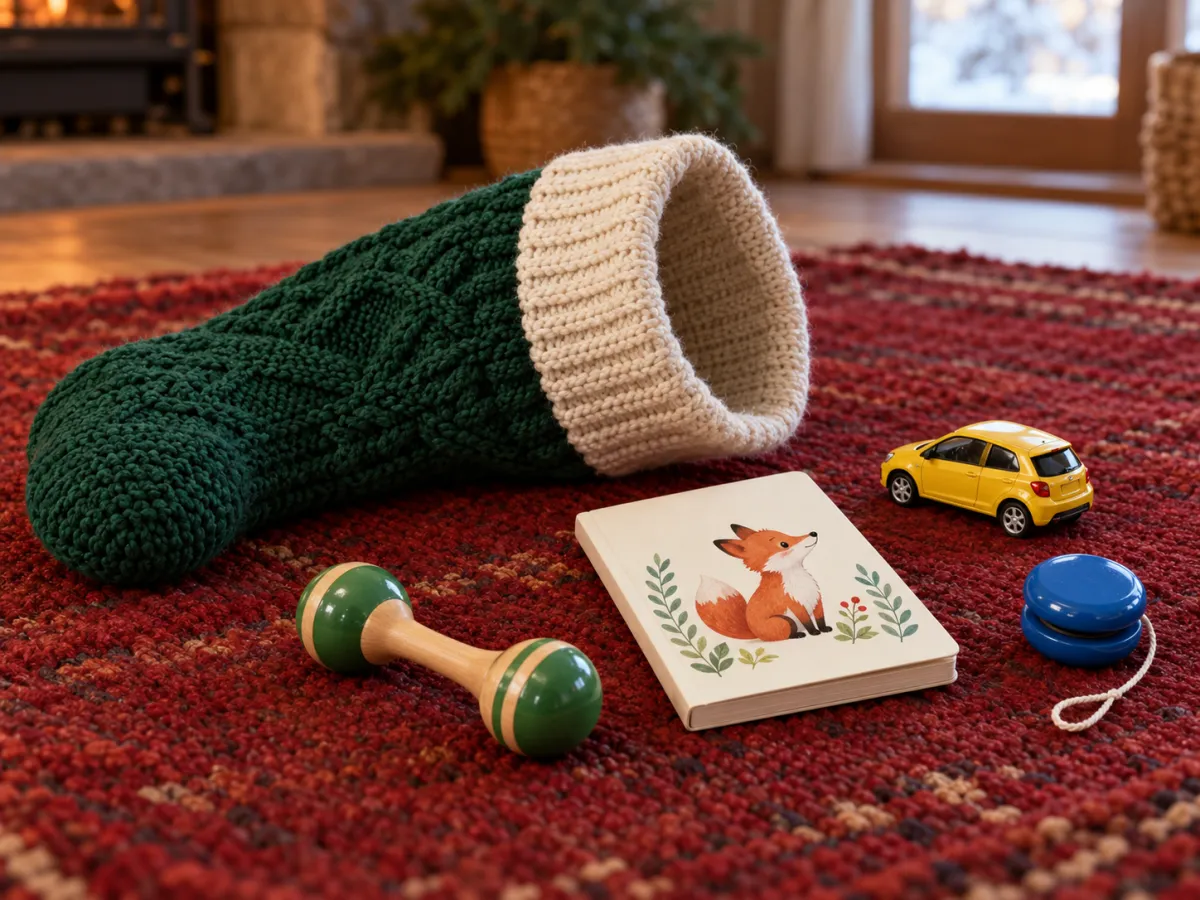
Choose for the child, then for the stocking
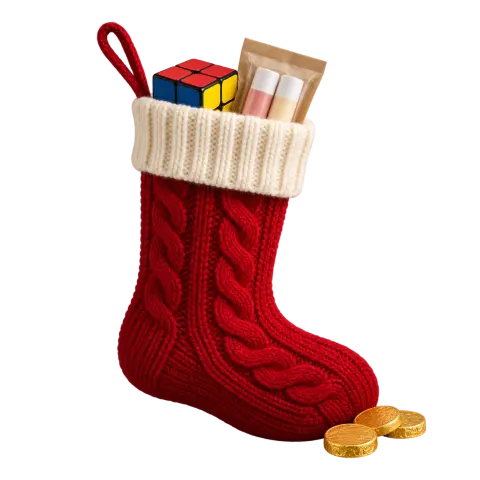
A new color to draw with, a vehicle for their little garage, a story to share: a small present is most interesting when it connects with something they already enjoy. Start there, then check the complete retail package against the stocking opening. A large box does not become a stocking stuffer just because its contents are tiny.
These age sections are starting points for browsing, not product age ratings. Follow the exact product’s age and use guidance, then consider the child’s interests, reading, grip and the help available. Keep toys with small parts away from children under three, and remember younger siblings when choosing for an older child.
Babies and young toddlers: something to hold, hear or share
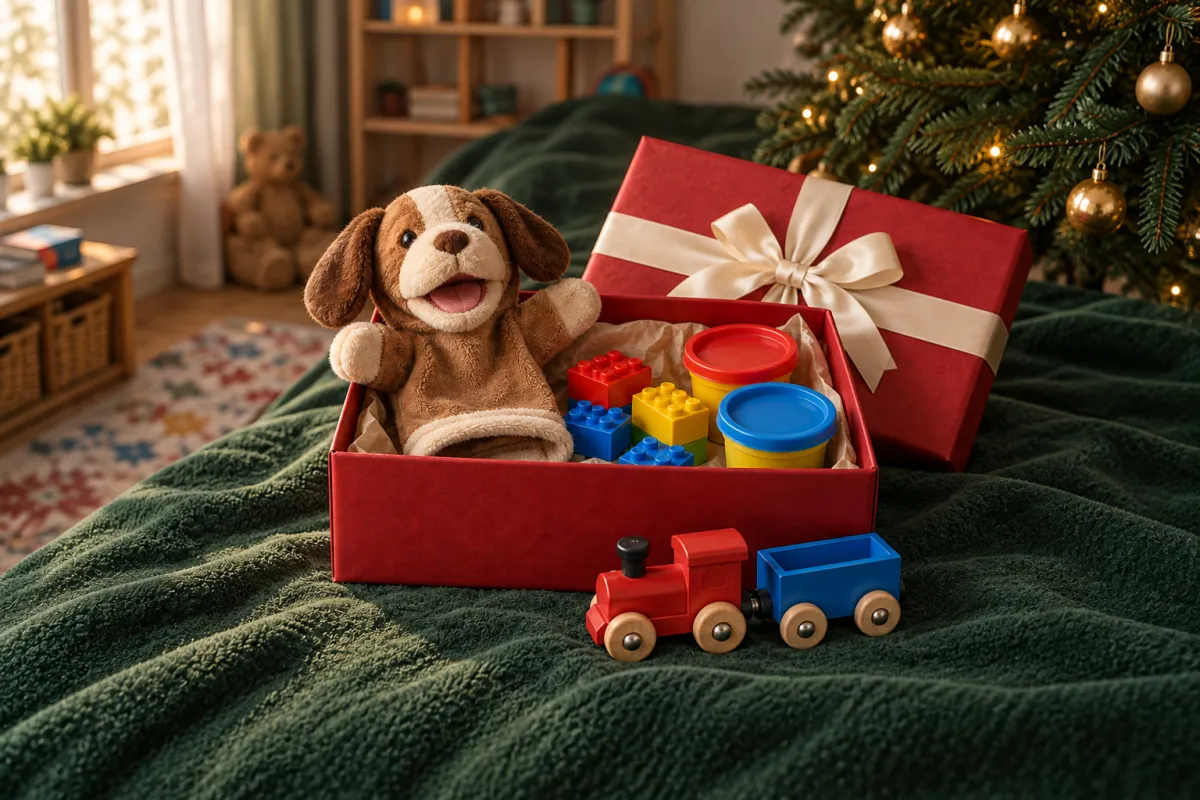
Choose with the grown-up who knows their current stage. A handheld rattle can offer a new grip or gentle sound, while nesting cups give a child who enjoys filling and emptying something to repeat. Check the nested set’s largest cup and packaging, rather than the height of its finished tower.
A small board-book edition of a picture book gives you a story to read together. Look for a subject the child likes and a format they can explore with their grown-up. Small pages, flaps and a sturdy cover do not by themselves establish suitability for every baby. One wanted book or toy can be plenty.
Around 2–4: a small game they can begin
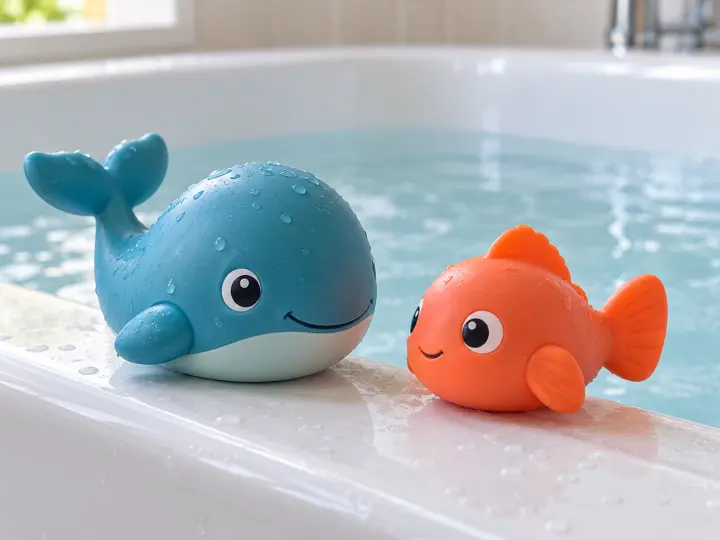
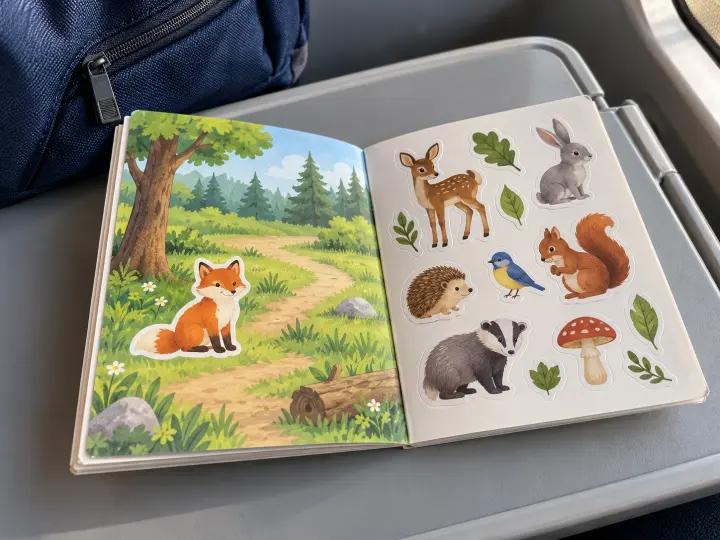
Around 5–7: pictures, patterns and a little independence
A coloring book gives a picture-loving child a ready-drawn starting point. Choose the spaces and theme, then check that suitable crayons or pencils are available. Pocket books can be intricate; a larger simple book may be the better gift even if it needs separate wrapping.
For a curious looker: a toy kaleidoscope offers changing patterns, with a viewing opening and turning action to compare.
For a character collector: a small plush toy can add a wanted animal without a large cushion-sized gift. Check the actual toy’s construction and age guidance.
For a child who loves stories: another small illustrated book can be a better surprise than a new activity they have never asked to try.
Around 8–11: a challenge to return to

Around 12 and up: follow their interests
A reader might welcome a bookmark chosen for their favorite books. Someone who already uses a phone at a desk may prefer a folding phone stand that works with their case. An older child who likes drawing can choose their own theme of portable coloring book rather than receiving a design based on an assumed age.
A small lip balm set is an option when it is something they want, in a formula and scent they already like. Ask about preferences rather than making grooming a default teen gift. Existing hobbies are useful clues: the right little accessory can feel more personal than a generic novelty.
Make the first use easy
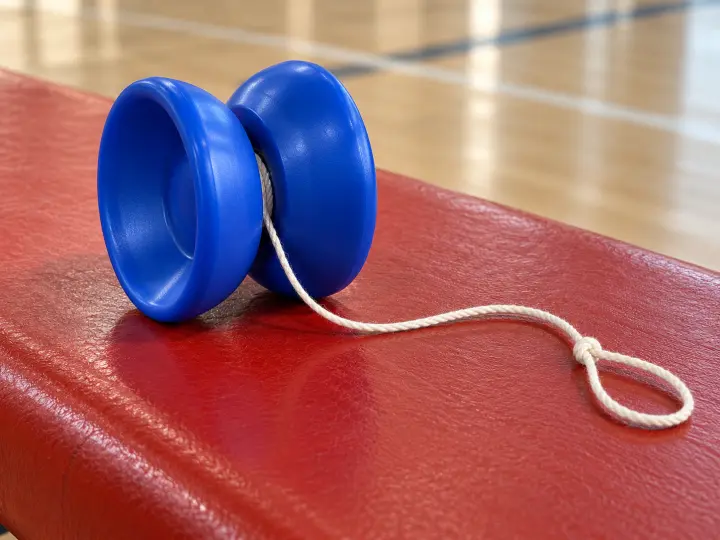
Keep the useful instructions and labels with each present. Check what comes with it: paper for crayons, coloring materials for a book, or a suitable string for a yo-yo may be separate. Choose a complete small pack, and wrap larger presents separately rather than removing important packaging to force a fit.
For a household with several children, agree on messy materials, noise and small pieces before buying. A gift chosen for the older child still needs somewhere sensible to be kept when a younger sibling is nearby.
Keep choosing Christmas gifts
Sources
CPSC toy guidance informs the age-label, ability and small-parts advice. Product choices and the browsing age sections are GiftAim editorial suggestions. Reviewed October 20, 2026.