
Diamond Ring
A diamond ring is most personal when its style, fit and meaning are clear. Choose for the intended finger and the way the recipient wears jewellery, then compare the stones, metal and setting.
Start typing to search Gift Ideas.
AI-generated illustrations; products may vary. Browse products via the shop links.
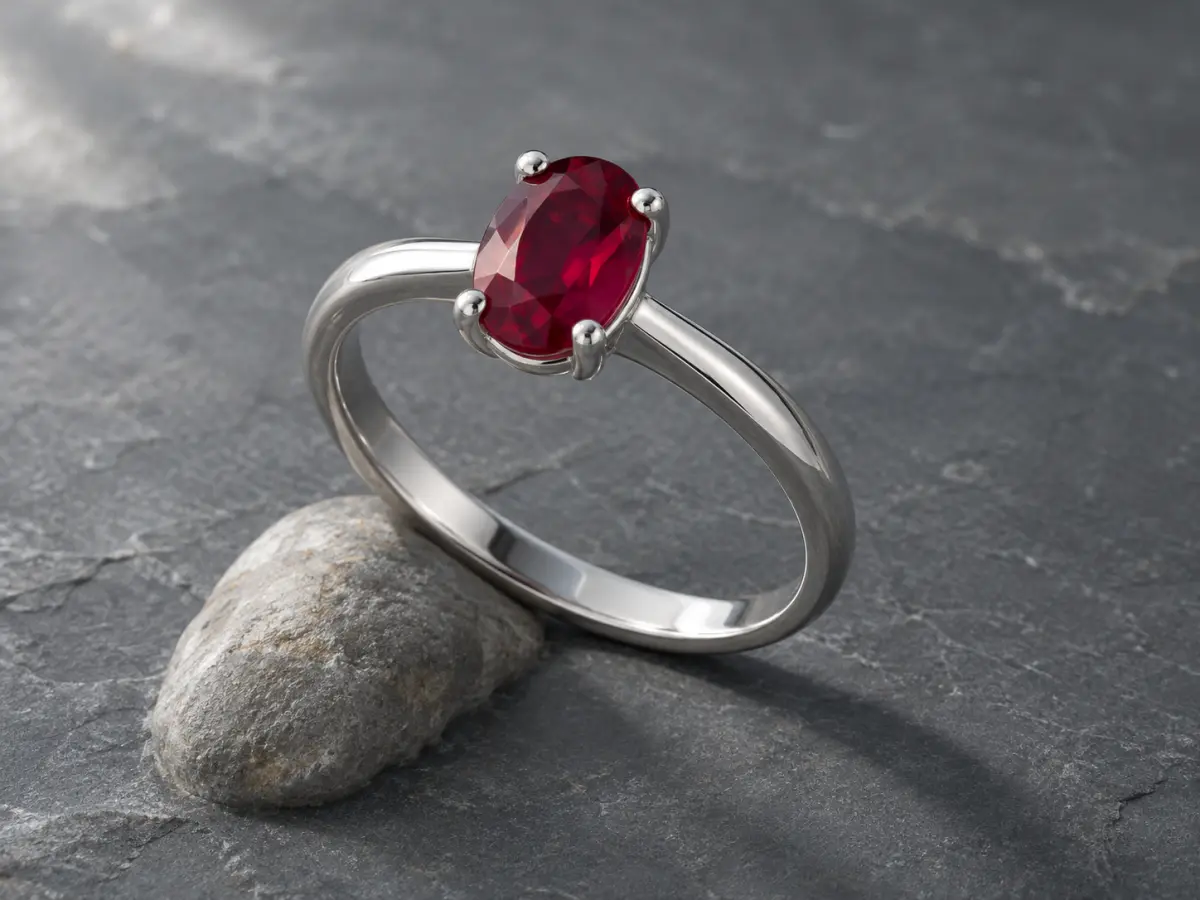
A ruby ring can be a small daily accent or a more noticeable piece for going out. Start with their usual style, then choose the stone, setting and fit.
Ad: GiftAim earns commission or fees from qualifying purchases and sign-ups through links on this page, at no extra cost to you. How we’re funded.
A ruby can be a small accent in a ring they wear often, or the centre of a more noticeable piece. Look at the height and shape of their usual jewellery before choosing: a raised stone and a low, smooth setting feel quite different on the hand.
UK ring sizes normally use letters, but imported listings may use US numbers. Match a recent measurement for the correct finger to the seller’s own size chart. Do not rely on a guessed letter-to-number conversion, or assume that a wide band fits like a slim one.
Resizing is not a solution for every ring. The metal and construction can make an alteration difficult or uneconomic, particularly with stones running around the band. If the size is unknown, a choice made together can be more successful than a perfectly kept secret. Our guide to choosing a ring explains the options.
A natural ruby formed in the earth; a lab-created ruby was grown in a laboratory. Both are ruby, but their origins matter when comparing prices. “Ruby red” alone may describe the colour of glass or another stone, so read the material information for the exact version being sold.
Ask about treatment. Heating and glass filling are different treatments, with different implications for value and care. “Natural” does not mean untreated.
Read the metal description. Gold plating is a surface finish, not solid gold. Establish the base metal and any relevant metal-sensitivity information.
Picture the dimensions. A stone’s width and length in millimetres help more than a close-up photograph when judging its presence on the hand.
For an expensive ring, consider an independent identification and treatment report for that stone. A seller’s grading adjective is not the same thing.
Confirm the return terms for the chosen size, especially before engraving or ordering a custom piece. Keep the box and paperwork until the recipient has tried it. Fit, comfort and taste matter more than preserving the surprise.
A diamond ring is most personal when its style, fit and meaning are clear. Choose for the intended finger and the way the recipient wears jewellery, then compare the stones, metal and setting.
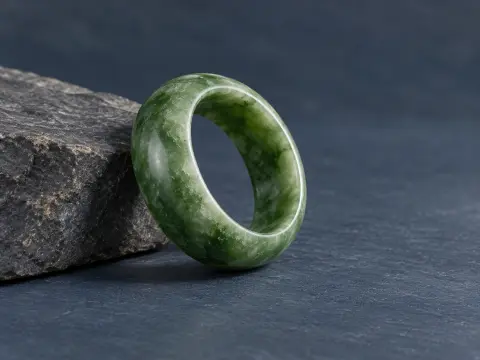
A jade ring gives a choice between a carved stone band and jade in a metal setting. Start with the wearer’s preferred form and finger size, with the actual stone and treatments clearly described.
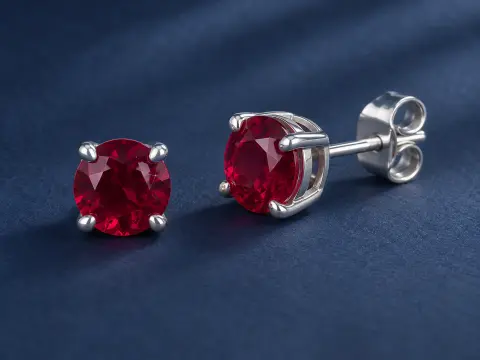
Ruby earrings can be understated studs or a more noticeable pair of drops. Familiar fittings, comfortable proportions and a clear stone description make the choice easier.
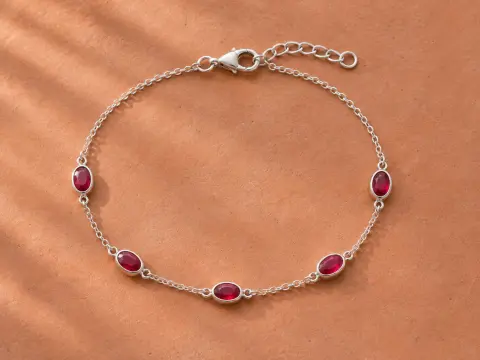
A ruby bracelet gives a familiar piece of jewellery a red-stone focus. The UK shopping route features lab-created ruby choices; check the finished length, clasp and metal.
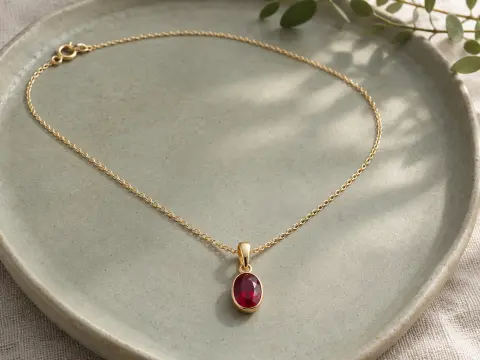
A ruby pendant puts a clear point of colour on a necklace they can wear comfortably. Look at the chain, pendant dimensions and stone description together.