AI-generated illustrations; products may vary. Browse products via the shop links.
Ad: GiftAim earns commission or fees from qualifying purchases and sign-ups through links on this page, at no extra cost to you. How we’re funded.
Ring: A small piece with a very personal fit
A ring can mark a milestone or simply suit the way someone likes to dress. The useful starting points are their size, preferred metal and the styles they already choose.
Ways to shop
Choose a ring they would want to wear
A ring is a personal gift, but it does not have to carry an engagement message. A plain band, a coloured stone or a small diamond can each make sense when they fit the recipient’s taste and the meaning of the occasion. Their existing jewellery is a better guide than a rule about who should wear which style.
If the gift’s meaning could be misunderstood, a short note can explain it. Choosing together can be part of an anniversary present and takes some of the guesswork out of a purchase worn so closely.
Get the size and return terms first
Ring sizing systems vary between countries and retailers. Use the seller’s own chart or a jeweller’s measurement for the intended finger; an unrelated ring or a rough string measurement may not give a dependable fit. Wide bands can feel different from narrow ones.
Read the return and resizing terms before paying, especially for custom engraving, made-to-order pieces and full eternity settings. Some designs cannot be resized easily. An adjustable opening still has a practical size range and is not a guarantee of comfort.
Metal, setting and daily wear
Read the metal description carefully. Solid gold, gold plating and gold-coloured steel are different purchases, with different care needs. Ask about known sensitivities rather than treating a listing’s hypoallergenic claim as a promise for every wearer.
A raised stone or large claw setting can catch on fabric. A lower setting or a plain band may suit someone who works with their hands, although their work or activities may require removing any ring. Follow the maker’s care advice for both the metal and the stone.
A diamond route for a tenth anniversary
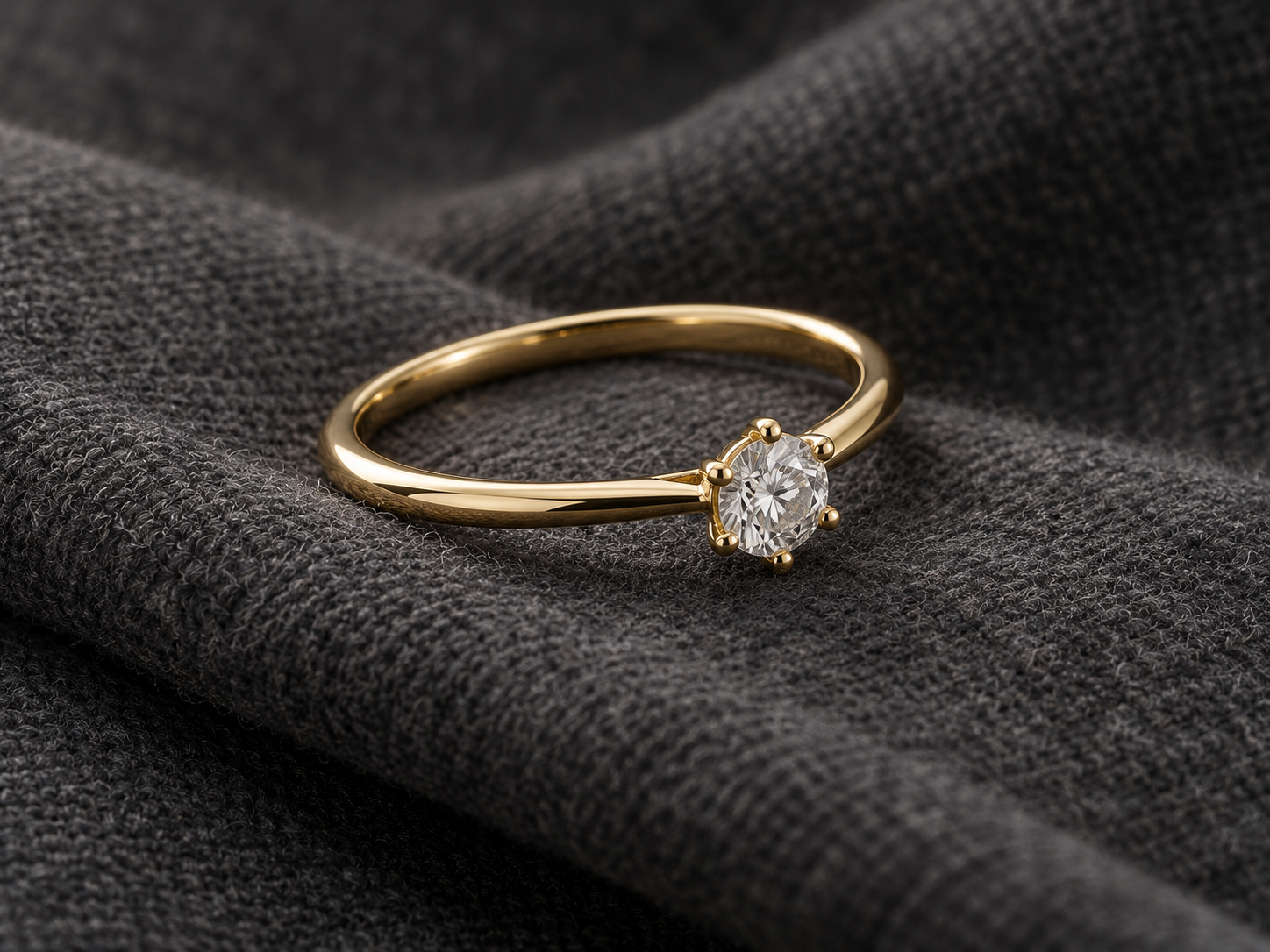
Diamond jewellery is a modern tenth-anniversary tradition. Both natural and clearly disclosed laboratory-grown diamonds are diamonds; cubic zirconia and moissanite are different stones. They may be attractive gifts, but they do not establish a Diamond Jewellery match.
The diamond shopping results can include those lookalikes. Confirm the stone composition, the exact size and setting, and any grading information for the selected piece. Compare like with like: a large total carat figure spread across many stones is not the size of one centre diamond.
A steel ring needs the right size first
A stainless-steel band can follow the traditional eleventh-year theme without carrying an engagement message. Confirm the band material rather than taking a silver colour as proof. Steel rings may be difficult or impractical to resize, so settle size and return arrangements before choosing a wide design or permanent engraving.
Compare the anniversary years and themes for the traditional and modern alternatives.
Choosing the gold alloy as well as the size
The solid 9ct gold shopping choice is for a stated gold alloy through the ring, rather than a plated layer. It can follow modern fourteenth-anniversary gold jewellery or the fiftieth-year gold theme. Read the exact selected version, since search results can also include plated, filled or differently specified rings.
Carat describes the gold proportion in the alloy, not the ring size. Compare the band width, construction and setting alongside the size, and keep the seller’s material and exchange details. A ring can be chosen together without giving it an engagement meaning.
A platinum ring for twenty years
Platinum is the modern twentieth-anniversary choice. The metal specification matters: a stated fineness such as 950 parts per thousand describes something different from platinum plating, white gold or a platinum-coloured finish. Plain bands and stone-set rings can both follow the tradition; a diamond is not implied by the platinum option.
Match the size to the intended finger and the band's width and profile. A wider ring can feel different from a narrow one of the same nominal size. Establish resizing and return terms, and settle fit before engraving. An invitation to choose the ring together avoids making a permanent, costly guess.
A ring for the pearl anniversary
The thirtieth anniversary's pearl and diamond traditions offer different choices on the same broad Ring page. The cultured-pearl option follows the traditional material. Pearls scratch easily, so consider occasional wear and the protection offered by the setting rather than treating it as an everyday work ring. Settle the size for the intended finger and follow the maker's handling instructions.
The diamond option follows the modern tradition. Establish whether the stones are natural or disclosed lab-grown, then compare the actual metal, dimensions and return or resizing conditions. Cubic zirconia and moissanite are different stones. Choosing the ring together can be the most practical way to get a personal gift right.
Thirty-five years, in a jade ring
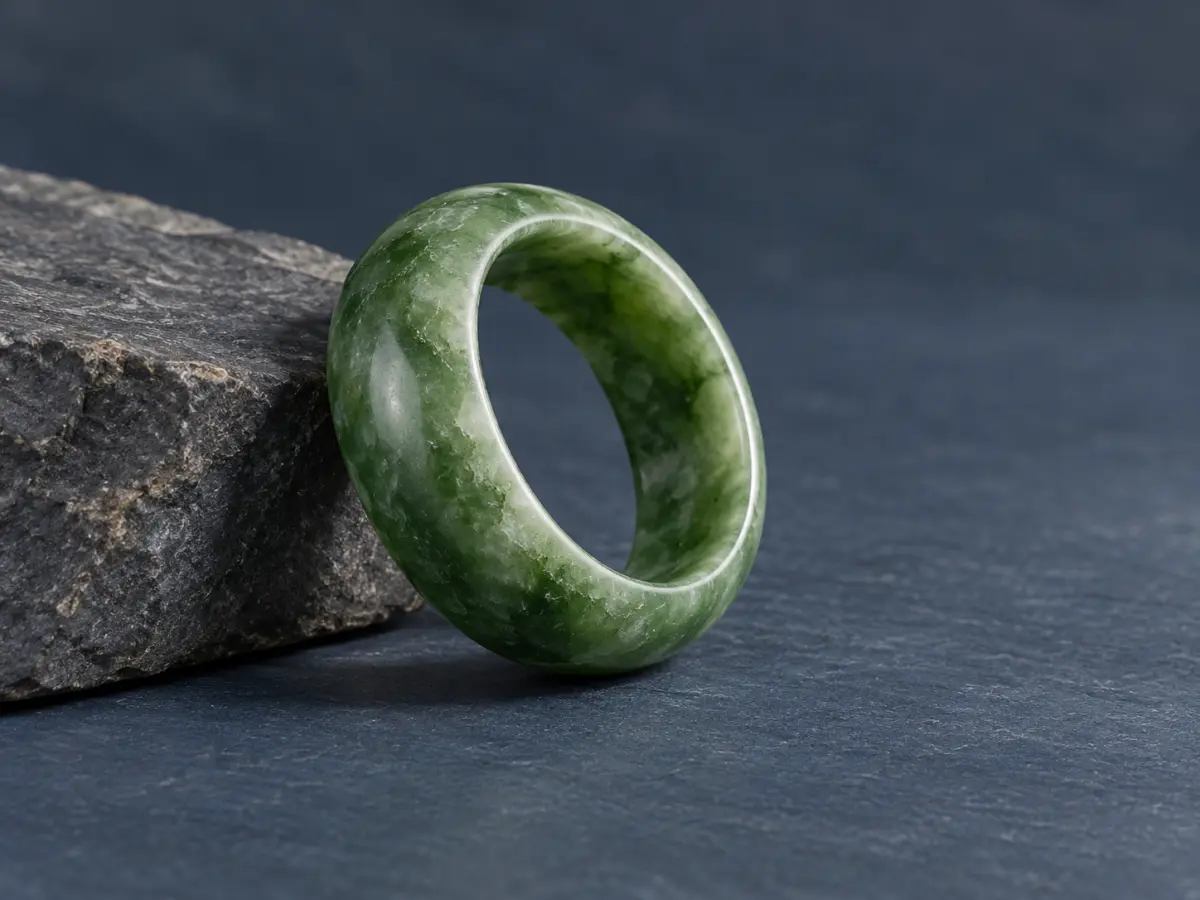
The modern thirty-fifth-anniversary theme is jade. Choose between a band carved from the stone and a jade piece held in a metal setting, taking the lead from rings the recipient wears. Look for jadeite or nephrite in the material description, with treatments explained; green glass and aventurine are different materials.
A complete stone band is usually a fixed size. Confirm the intended finger, the seller’s measurements and exchange arrangements rather than expecting a jeweller to resize it afterwards. A jade pendant necklace offers another way to give the material when ring fit is uncertain.