 Image unavailable
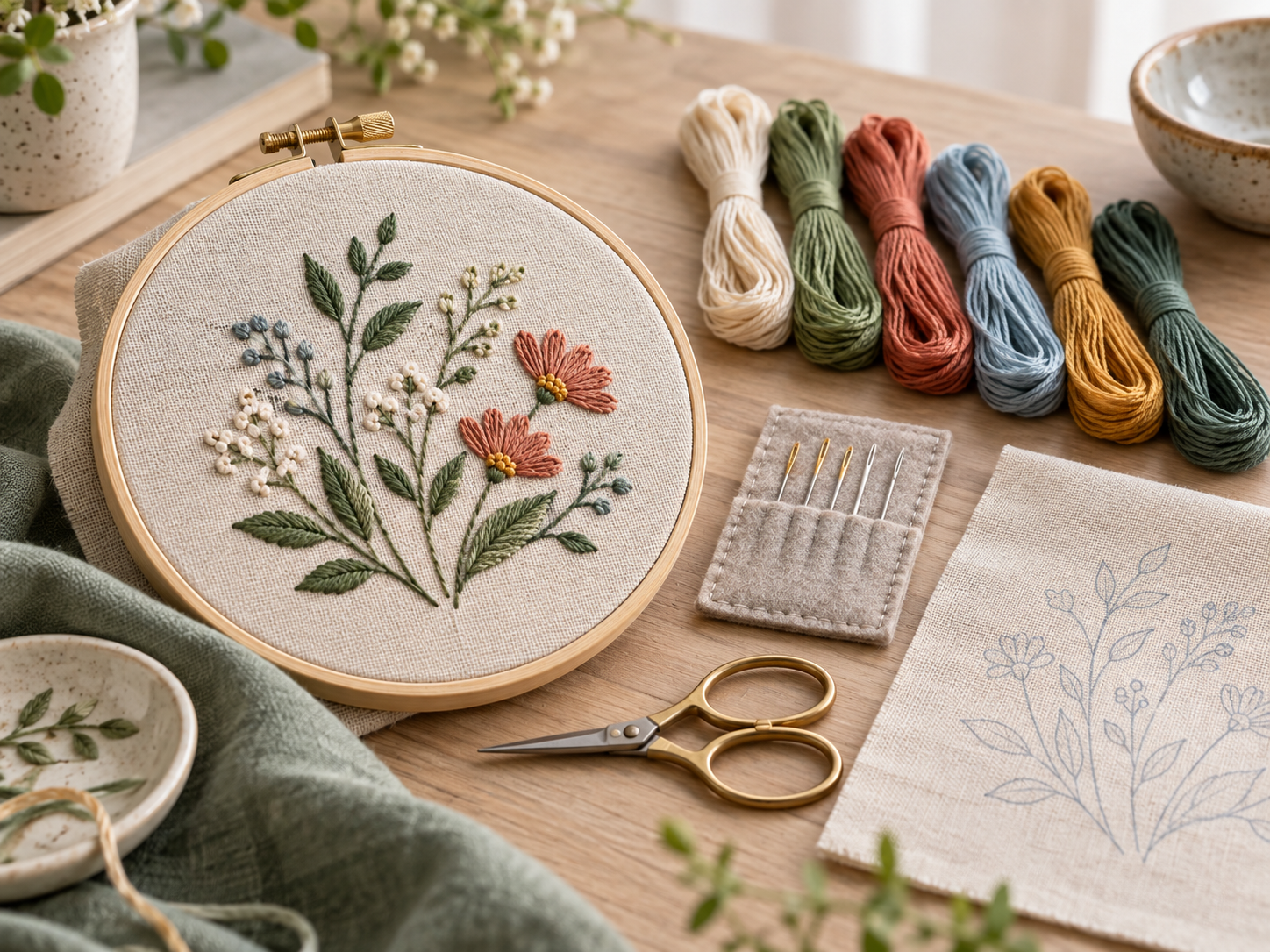
Illustrative image — products may vary.
Embroidery Starter Kit: A design to enjoy learning stitch by stitch
Choose an embroidery project with useful teaching and matched supplies, so their first stitches have a clear destination.
Ad: GiftAim earns commission or fees from qualifying purchases and sign-ups through links on this page, at no extra cost to you. How we’re funded.
Teaching is part of the present
A finished example shows the destination; a beginner also needs to see how the stitches are made. Check for diagrams or video guidance that explains the stitch, the number of thread strands and where to work it. Pre-marked fabric can save transferring the design, but the stitching still needs clear teaching.
Choose a motif that suits their taste and patience. A small design can be densely packed with awkward details, so inspect the spacing, stitch variety and colour changes rather than judging difficulty by hoop size. An experienced stitcher may prefer a new technique or a more personal design.
Check beyond the hoop and thread
Look for appropriate fabric, needles and enough thread in the required colours, then identify any scissors, threader or finishing materials they must add. Good instructions explain how to begin and secure threads as well as how to complete the back of the work.
Find out how the guide marks should be removed. Washing is not automatically suitable for every printed fabric or thread; follow the kit’s instructions. For a piece displayed in its hoop, check the hoop’s finish and backing. A patch, cushion or framed piece can need materials that a basic kit does not contain.
Keep extra tools useful
A stand can make room for both hands when stitching, provided it fits their hoop and working position. It is an optional addition, not essential to every first project. A light pad helps transfer a separate design through suitable fabric, but is less useful when the kit’s design is already printed.
Punch needle is a different process: a hollow tool forms loops rather than conventional hand stitches. If they are drawn to that raised texture, buy a kit with the tool, yarn and fabric matched for it. Check the maker’s age guidance for either kind of needlework.
If they would rather repair clothing with visible stitches or a woven darn, a visible mending kit takes the project in another direction. The fabric and repair method need to suit each other; it is not simply an embroidery design on a different background.
Alternatives to consider
-
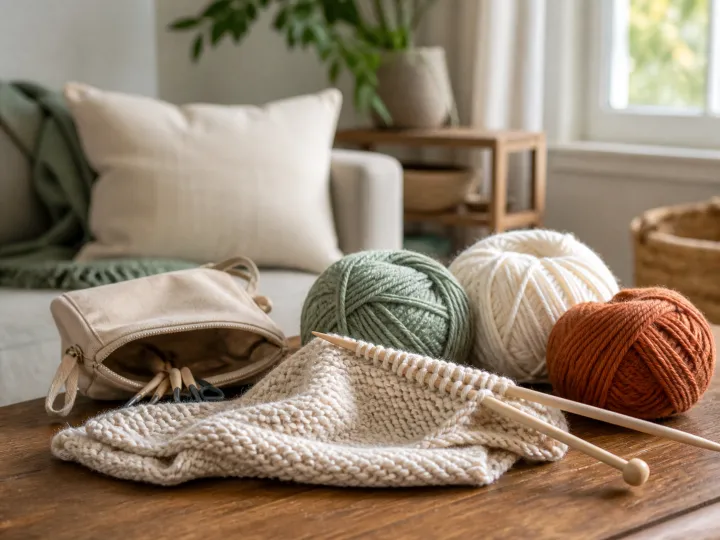
Knitting Starter Kit
A better fit for someone drawn to yarn, wearable projects and building fabric row by row.
-
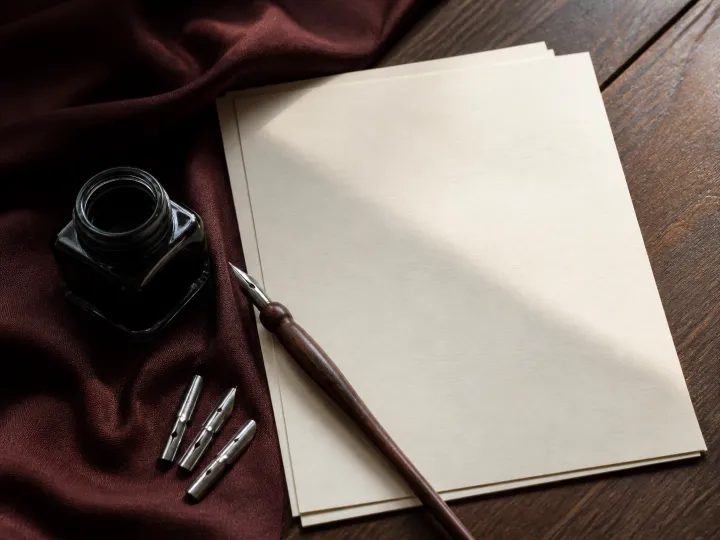
Calligraphy Set
A paper-based starter skill when lettering and ink feel more natural than needle and thread.