 Image unavailable
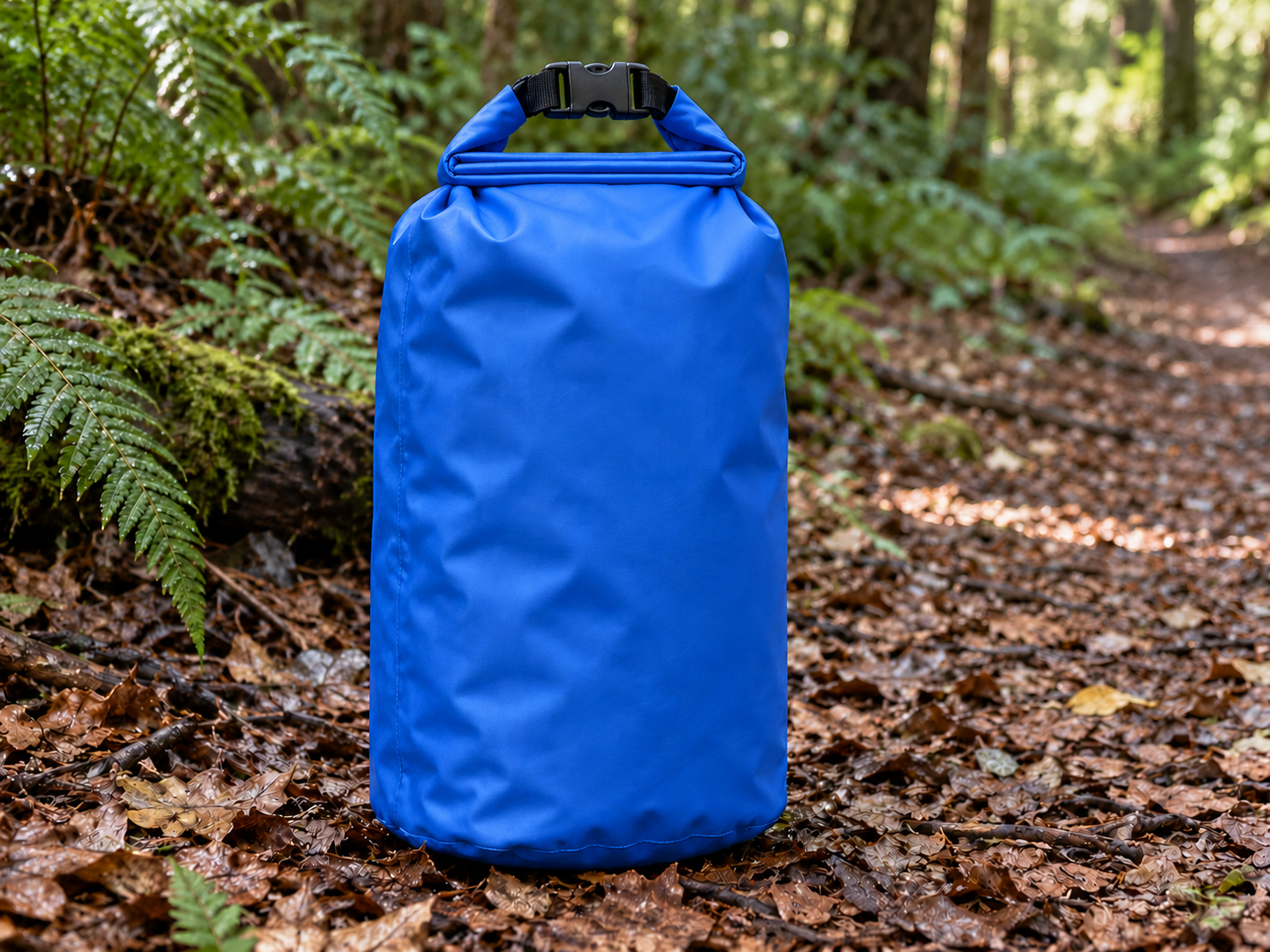
Illustrative image — products may vary.
Dry Bag: A separate home for kit that needs to stay dry
A dry bag can help a camper or hiker organise spare clothing away from wet kit. The useful choice fits their existing luggage and the protection the bag is actually designed to provide.
Ad: GiftAim earns commission or fees from qualifying purchases and sign-ups through links on this page, at no extra cost to you. How we’re funded.
Choose the contents before the capacity
Think about what the recipient wants to pack: spare socks, a change of clothes or a larger bundle of camping layers. Compare dimensions and usable closed capacity, leaving the space needed to roll the top correctly. A large litre figure is less useful if the bag becomes awkward to fit inside their rucksack.
Small sacks can divide clothing within a pack; tougher bags may be designed for carrying outside it. Check that intended use carefully. A lightweight liner and a substantial externally carried dry bag are different choices, even when their shopping descriptions sound similar.
The closure is part of the protection
Roll the top as directed by the maker, then secure the buckle. The required folds need spare material, so avoid overfilling. Check the seams, closure and any carrying strap. A simple shoulder strap is convenient for short moves but does not promise the comfort of a proper walking rucksack.
Rain, splashes and immersion are different levels of exposure. Read the exact limitations instead of relying on the word waterproof. Sea to Summit’s electronics-packing advice describes how water can work through a roll-top closure. Choose separate protection suitable for valuable electronics and the conditions they may face.
Make it an addition to their own packing system
A Christmas or birthday dry bag works best when it solves a known storage problem. Check whether the recipient needs one useful size or several smaller compartments; a multipack is not automatically better value for their kit. Inspect any included phone pouch as a separate product, with its own closure and use limits.
Follow the maker’s checks before taking the bag out, and allow it to dry completely after use. Do not treat a bag that appears buoyant as a flotation aid, or assume that a roll-top sack can be kept underwater simply because it is sold for outdoor activities.