 Image unavailable
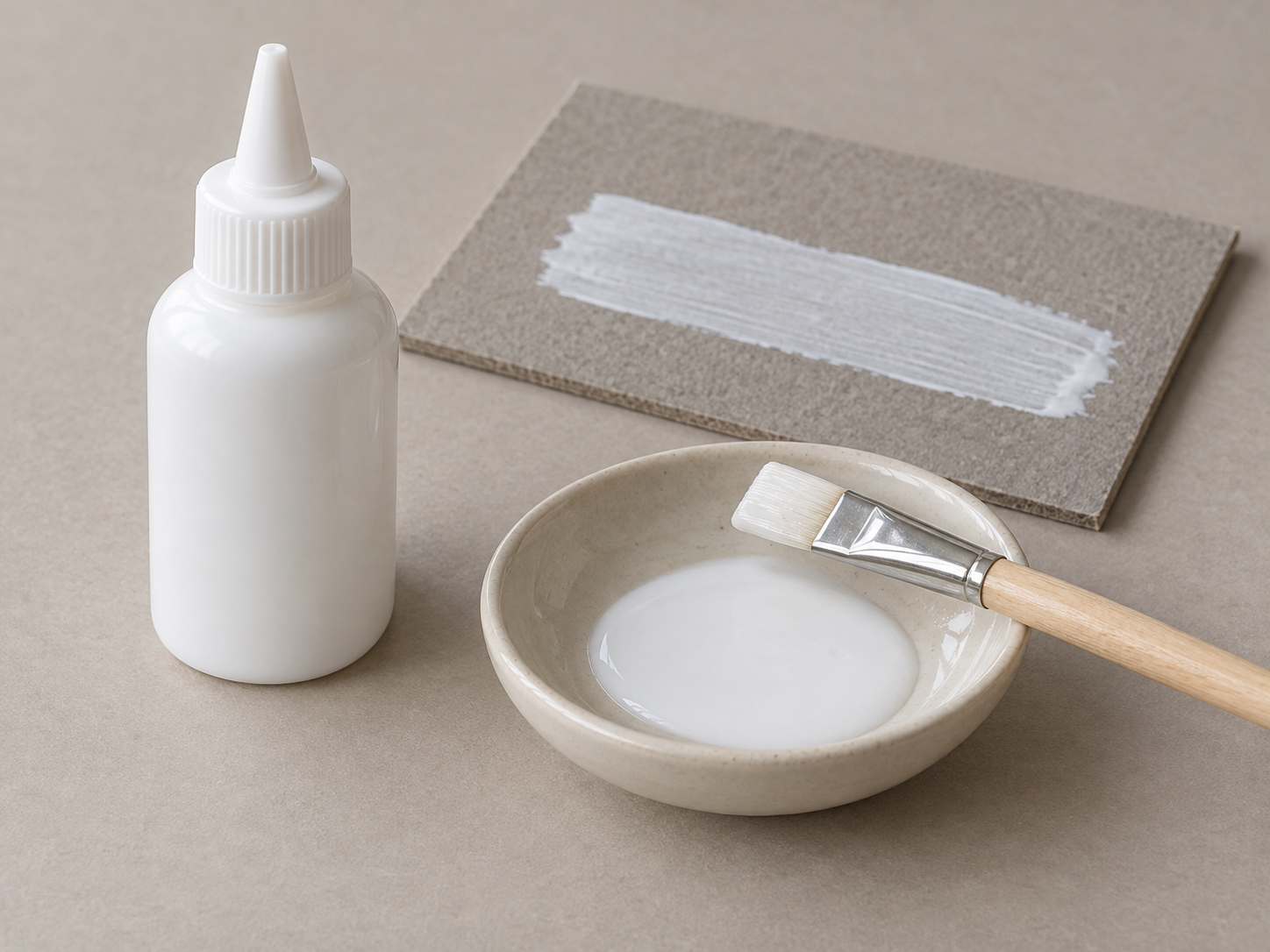
Illustrative image — products may vary.
Bookbinding Adhesive: Keep the glued stages of bookmaking supplied
Binding adhesive is a practical refill when it suits the recipient’s paper, cover materials and established way of working.
Ad: GiftAim earns commission or fees from qualifying purchases and sign-ups through links on this page, at no extra cost to you. How we’re funded.
Their method comes first
Ask which adhesive the recipient uses and which part of the book it is for. A glued spine, a cloth-covered case and other structures can have different requirements. Choose the product’s stated applications rather than assuming any white craft glue behaves the same way.
A PVA-style binding adhesive may suit a planned project, but the maker still needs the appropriate flexibility, working time and material compatibility. A familiar formulation is often the useful refill when you cannot inspect their instructions yourself.
Choose an amount they can use
Check bottle volume and the way it dispenses. A modest bottle can be easier for occasional making than a bulk container, provided it supplies enough for the project. Follow the manufacturer’s storage and clean-up guidance, and confirm whether brushes or other applicators are separate.
New cloth or paper deserves an offcut test before a whole cover is committed. How much adhesive is applied and the moisture it introduces can affect the finish; the label alone cannot promise a neat result.
Acid-free or archival wording is not a guarantee of reversibility or conservation suitability. Valuable or irreplaceable books need a different repair decision. For a beginner needing coordinated supplies and instruction, compare a bookbinding kit with an adhesive refill on its own.