 Image unavailable
Illustrative image — products may vary.
Bird Identification Field Guide: Put a name to the birds they notice
A printed identification guide for someone who enjoys recognising birds on local walks, in the garden or on trips.
Ad: GiftAim earns commission or fees from qualifying purchases and sign-ups through links on this page, at no extra cost to you. How we’re funded.
Begin with the map on the cover
Start with where they go birdwatching. A guide to Britain and Ireland, a wider European reference and a compact guide to common garden birds offer different coverage. A beautiful North American book won't answer many identification questions on a British walk.
Pocket companion or home reference?
A pocket guide is easier to keep in a coat or daypack; a substantial reference gives more room for detailed comparisons at home. Choose around where they'll open it, and compare the actual size, weight and print rather than judging by the cover photograph.
How do they like to identify a bird?
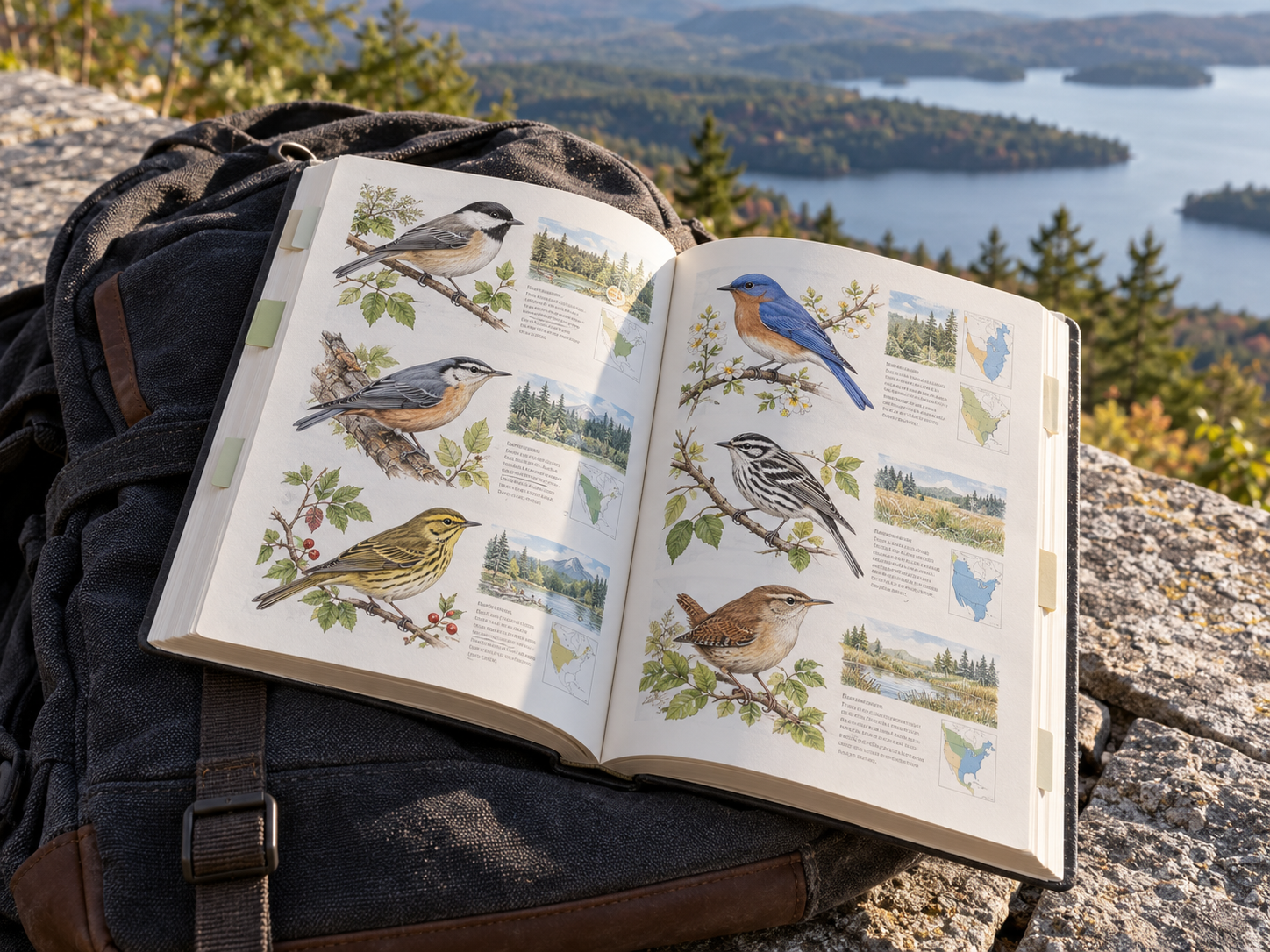
Illustrations can place useful features side by side; photographs show birds in real poses and light. Compare clear species entries, seasonal plumage, similar-looking birds and readable range maps. A beginner may value an easy route through common birds more than an encyclopaedic species count.
Choose the exact book and format
Check the geographical coverage, publication details and binding of the copy being sold. A Kindle price, a used copy and a new printed edition are different purchases. Make sure they don't already own that title, and avoid a checklist or logbook when they want identification guidance.
Read a sample entry to see whether the print and pictures are comfortable.
Compare packed size and weight with how they'll carry it.
Look for useful identification differences, not just attractive bird portraits.
For the closer view that a reference book can't supply, birdwatching binoculars make a complementary gift when the fit and handling suit them.