 Image unavailable
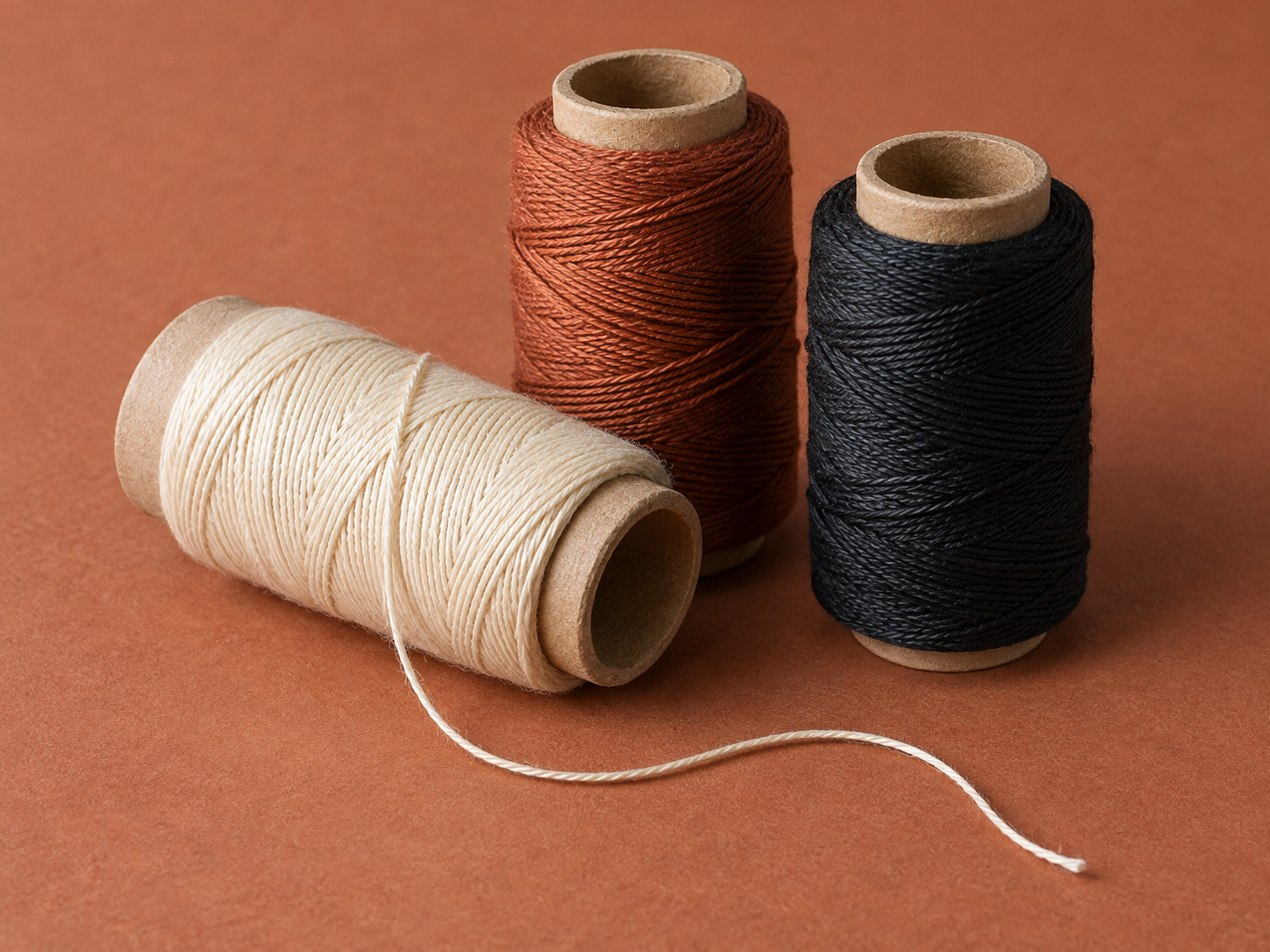
Illustrative image — products may vary.
Bookbinding Thread: Thread for another handmade binding
A refill of binding thread supports the sewing stage of a handmade book, with thickness and material matched to the maker’s method.
Ad: GiftAim earns commission or fees from qualifying purchases and sign-ups through links on this page, at no extra cost to you. How we’re funded.
Match the thread to the sewing
Bookbinding thread joins folded sections or stitches a simple pamphlet. The useful choice depends on the pattern, needle and paper—not just a color that looks good against the cover. Check the diameter or gauge and the length supplied; spool photographs can hide very different quantities.
Thickness affects the spine. A heavy thread adds bulk through several sewn sections and can be awkward through small holes. A fine thread needs to suit the structure too. Start with the specification in their instructions or a thread they already like using.
Waxed, unwaxed and different fibers
Linen and synthetic threads appear in binding searches. Waxing changes handling, but neither a waxed finish nor a material name guarantees that a spool suits every stitch. Avoid assuming that thick jewelry cord is interchangeable with the fine thread used in a particular notebook.
A familiar refill can be useful for a regular maker; a small selection of colors can offer variety when the dimensions still fit. Confirm whether needles or wax are included rather than treating an accessory photograph as the contents list.
Thread alone does not teach the binding. Someone making a first book may prefer a bookbinding kit with a method and coordinated supplies.