 Image unavailable
Illustrative image — products may vary.
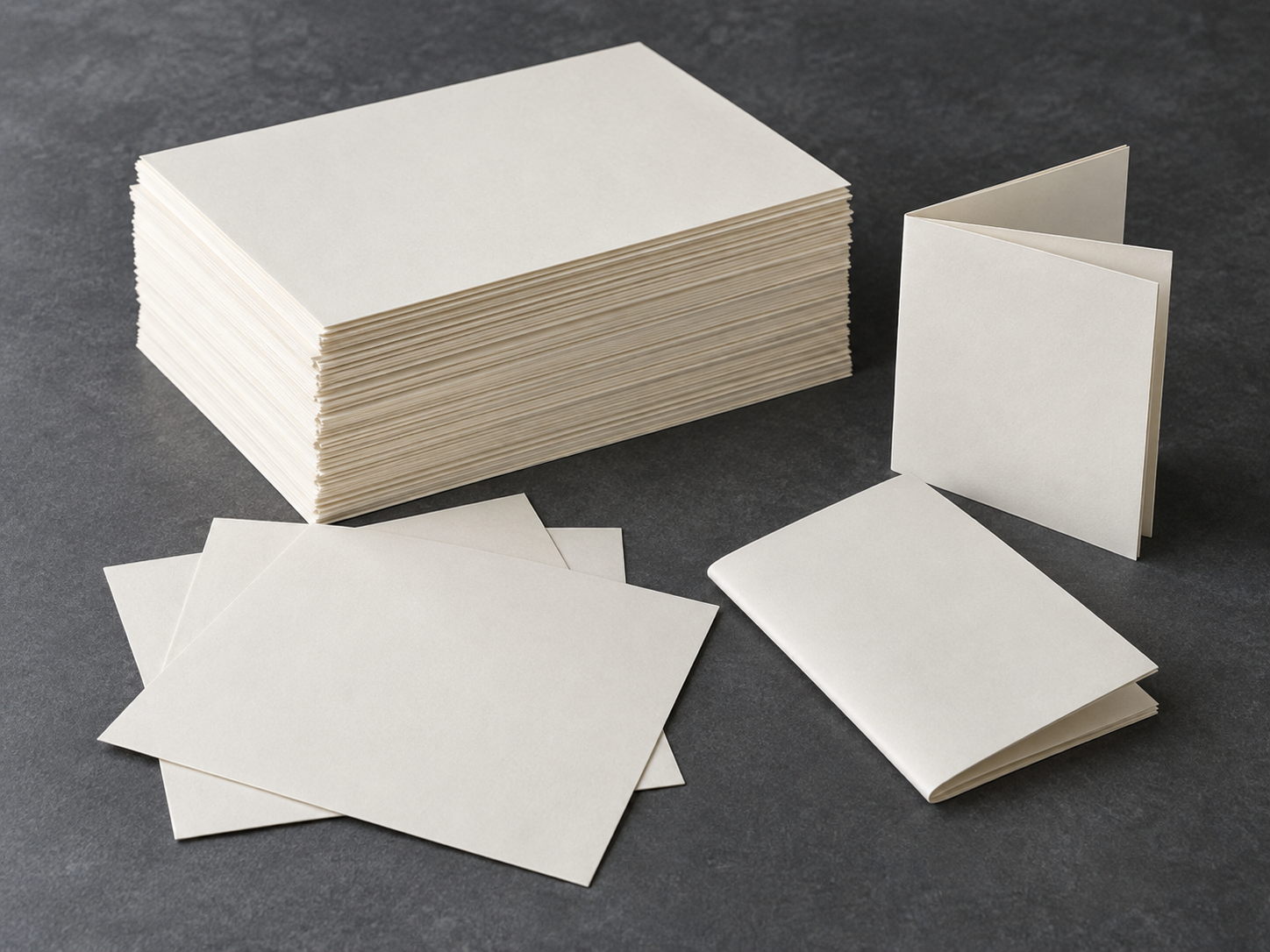
Bookbinding Paper Pack: Pages for the next book they make
Blank paper gives a bookbinder room to plan another journal or sketchbook, with the page size and surface chosen for the way they want to use it.
Ad: GiftAim earns commission or fees from qualifying purchases and sign-ups through links on this page, at no extra cost to you. How we’re funded.
Start with the finished page
A sheet folds into a smaller page, so buy for their finished book rather than the pack label alone. For a conventional folded book, 8½ × 11-inch sheets produce pages about 5½ × 8½ inches before trimming. A different fold or binding changes that calculation.
Grain direction matters as much as size. For folded signatures—the small groups of sheets sewn into a book—the grain should run along the finished spine. Short-grain letter paper can suit a particular fold, but the label is not a guarantee for every layout. Ask the supplier when the listing does not say.
Writing paper or a handmade sketchbook?
Smooth, lighter text paper keeps an everyday notebook manageable. Heavier or textured sheets offer a different drawing surface and build a thicker book. Match the paper to their pens or paints; a cotton content or attractive cream color does not establish fountain-pen or wet-paint performance.
The quantity deserves a second look. Some US binding-paper listings are two-ream, 1,000-sheet purchases with separate delivery charges. That can be useful for a regular maker and excessive for one first notebook. Compare the total cost and storage space before ordering.
Loose sheets supply the pages, not a complete lesson, cover or tool set. For someone starting from scratch, a bookbinding kit may give them a clearer first project.