 Image unavailable
Illustrative image — products may vary.
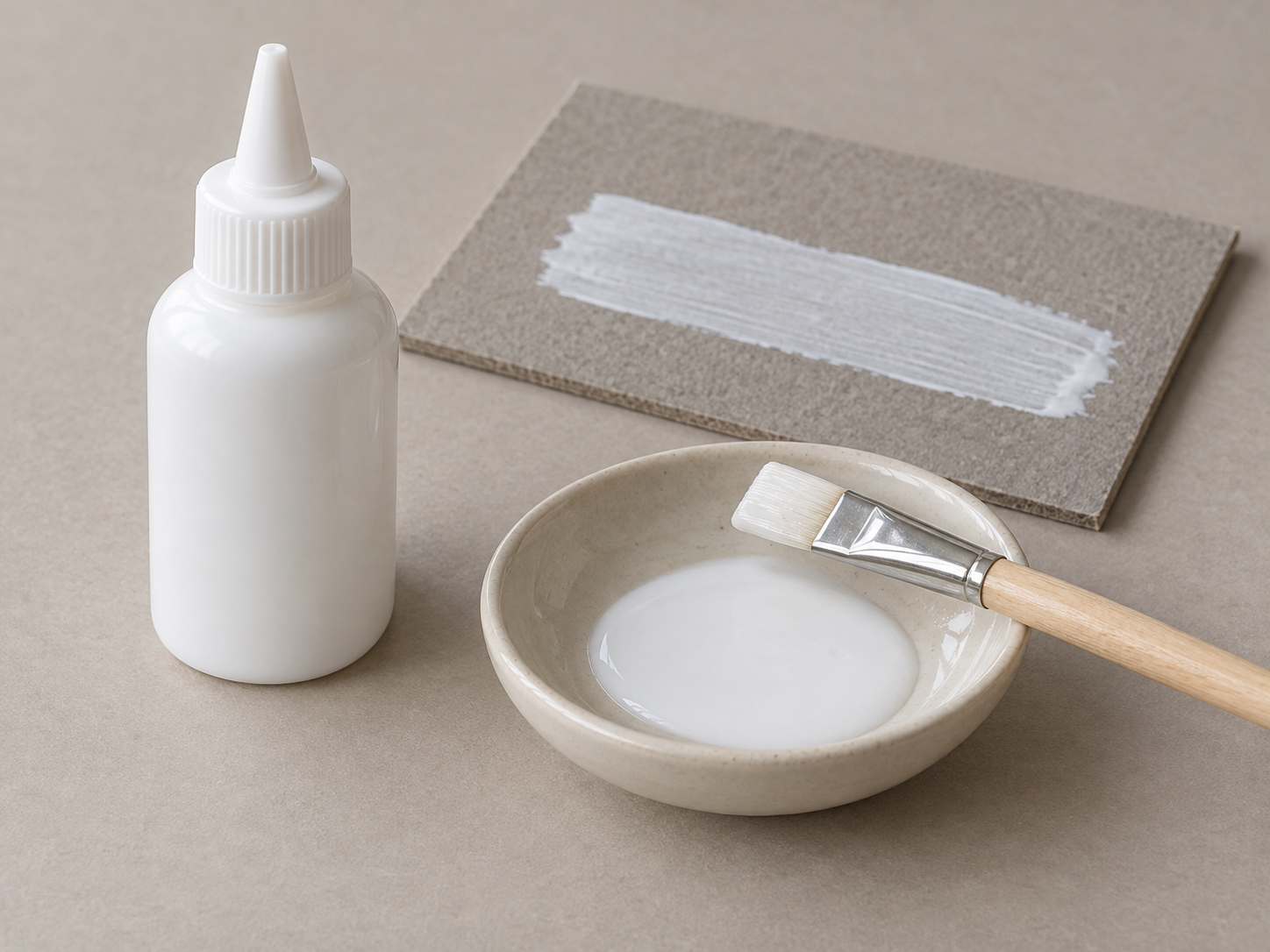
Bookbinding Adhesive: Adhesive for their next handmade cover
A refill of binding adhesive can be useful when its formulation and handling match the bookbinder’s materials and method.
Ad: GiftAim earns commission or fees from qualifying purchases and sign-ups through links on this page, at no extra cost to you. How we’re funded.
Match the adhesive to the binding
Bookmaking can involve different adhesives at different stages. For a glued cover or spine, follow the project instructions and the product’s stated uses. A general craft-glue label does not establish flexibility, working time or compatibility with their paper and covering cloth.
Buy a formulation they know how to use. A suitable PVA-style binding adhesive is a common option, but it is not the right answer for every structure or material. Check whether it is ready to use and which surfaces the manufacturer supports.
A useful refill in a sensible quantity
A small bottle can suit occasional projects and be easier to dispense than a large container. Compare volume, closure and storage instructions, and ask how quickly the recipient uses their current adhesive. Brushes, dishes and other application tools may be separate.
Try an offcut before committing to a whole cover, especially with thin paper or a new cloth. Moisture and application technique can affect the result. Follow the maker’s guidance for cleanup, storage and any age restrictions.
An acid-free or archival marketing claim does not make an adhesive suitable for conserving an irreplaceable book, nor does it establish reversibility. This gift is for planned making projects. A bookbinding kit may be more useful when the recipient needs the method and other supplies as well.