Diamond Bracelet
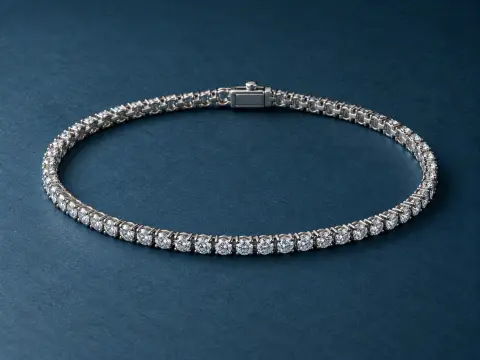
A diamond bracelet can be a personal keepsake when its style, fit and fastening suit the recipient. Compare the actual diamonds and metal, with the total stone weight and wearable length clearly stated.
Start typing to search Gift Ideas.
AI-generated illustrations; products may vary. Browse products via the shop links.
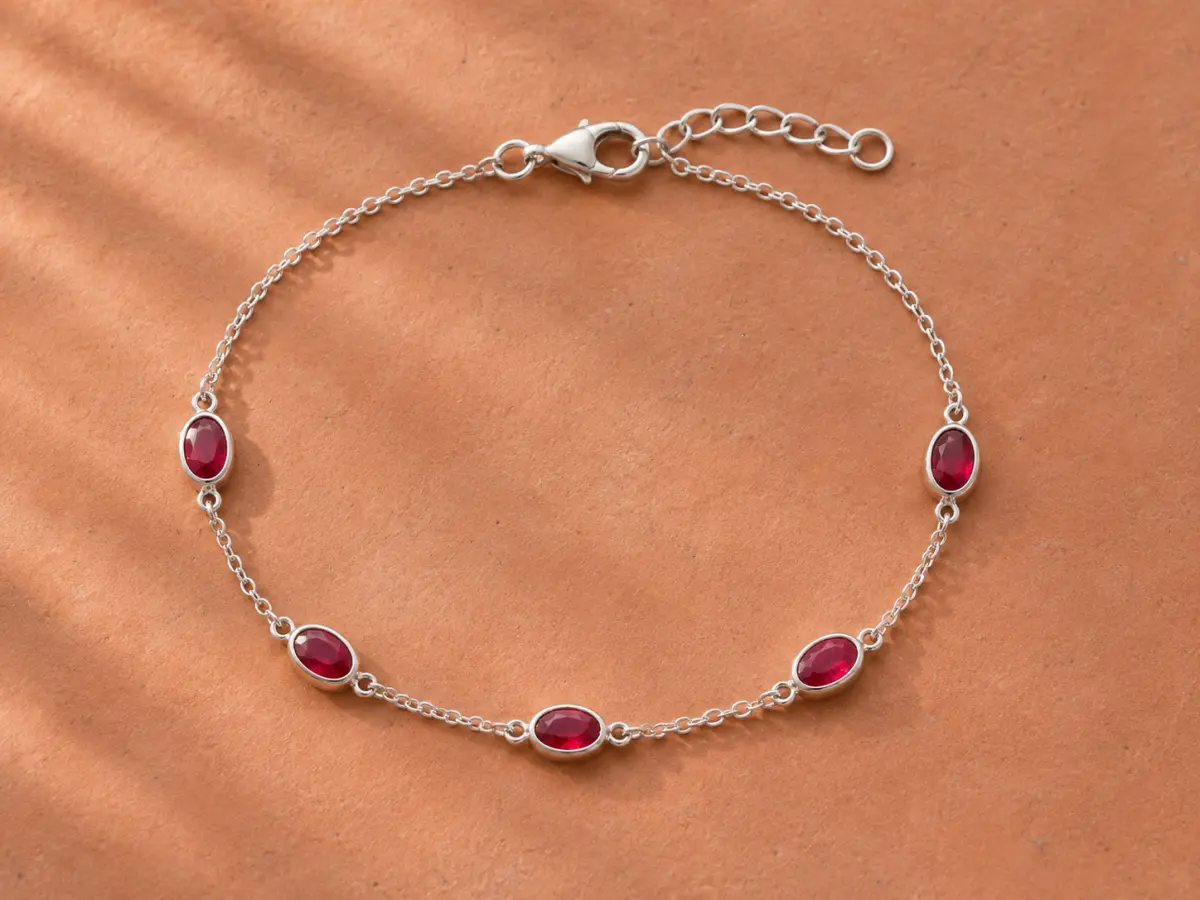
A ruby bracelet can be a fine chain with a few red accents or a more noticeable line of stones. Choose the fit and fastening as carefully as the gems.
Ad: GiftAim earns commission or fees from qualifying purchases and sign-ups through links on this page, at no extra cost to you. How we’re funded.
A fine chain with ruby stations gives a few spaced touches of red. A tennis bracelet puts stones along much more of the wrist, while a bangle has a different feel again. Think about the bracelets the recipient already wears and whether this is an everyday piece or something they would bring out for an occasion.
Use a comfortable existing bracelet as a reference where possible. Check the wearable length, the adjustment range and the fastening. A fixed-length chain needs enough ease to move comfortably without slipping over the hand; a rigid closed bangle must fit over the hand in the first place.
An adjustable sliding clasp can help with fit, but the hanging chain ends may catch on sleeves or bother someone who works at a desk. A small lobster clasp may also be fiddly for someone who prefers an easier fastening.
Natural and lab-created rubies can both be used in a bracelet. The stone’s origin, any filling or other treatment, the setting metal and the number of stones all affect what the price represents. Red enamel, crystals and ruby-colored glass do not establish that the bracelet contains ruby.
Stone details: look for a description of the actual ruby version, including any treatments and care requirements.
Construction: inspect how the stones join the chain or links, and whether the closure has a secure catch.
Metal: distinguish solid precious metal from plating and establish the material underneath.
Keep the return details and avoid shortening or engraving the bracelet before the recipient tries it. Where the material or treatment is unclear, ask the seller before buying; a grand-sounding gemstone grade is not a substitute for that answer.
A diamond bracelet can be a personal keepsake when its style, fit and fastening suit the recipient. Compare the actual diamonds and metal, with the total stone weight and wearable length clearly stated.
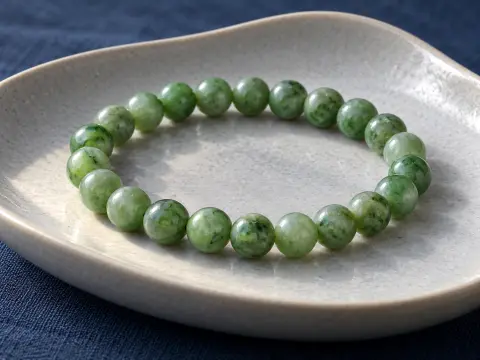
A jade bracelet can be a beaded strand or a solid bangle, so the fit needs choosing as carefully as the stone. Start with the recipient’s style, then read the jade identity, treatments and actual measurements.
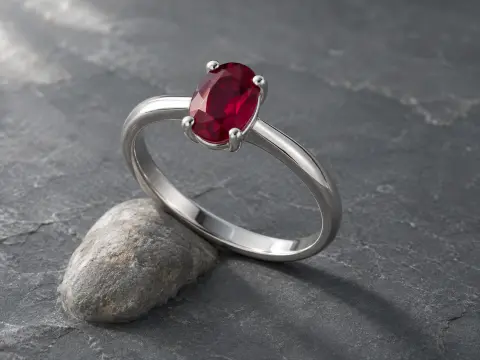
A ruby ring adds a clear point of red to a style they already enjoy. Choose a wearable setting and settle the size before making the surprise permanent.
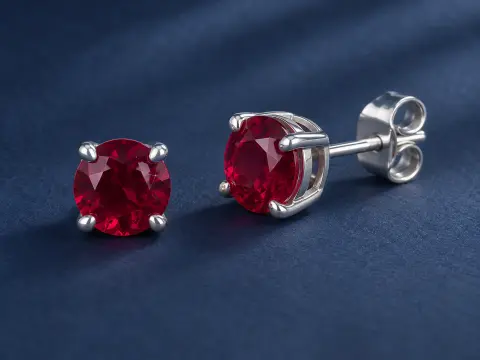
From neat studs to longer drops, ruby earrings bring a clear touch of red. Choose a shape and fastening they enjoy, then read the stone and metal details.
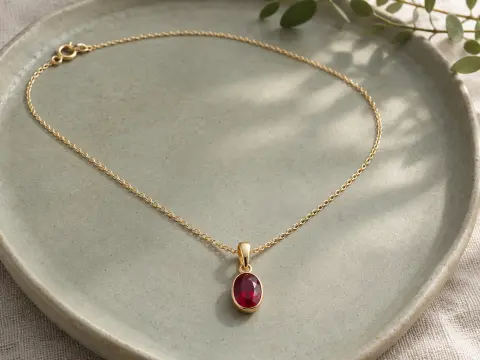
An oval, round or other ruby pendant gives one red stone room to stand out. Check the chain, wearing length and setting so the necklace is ready to enjoy.