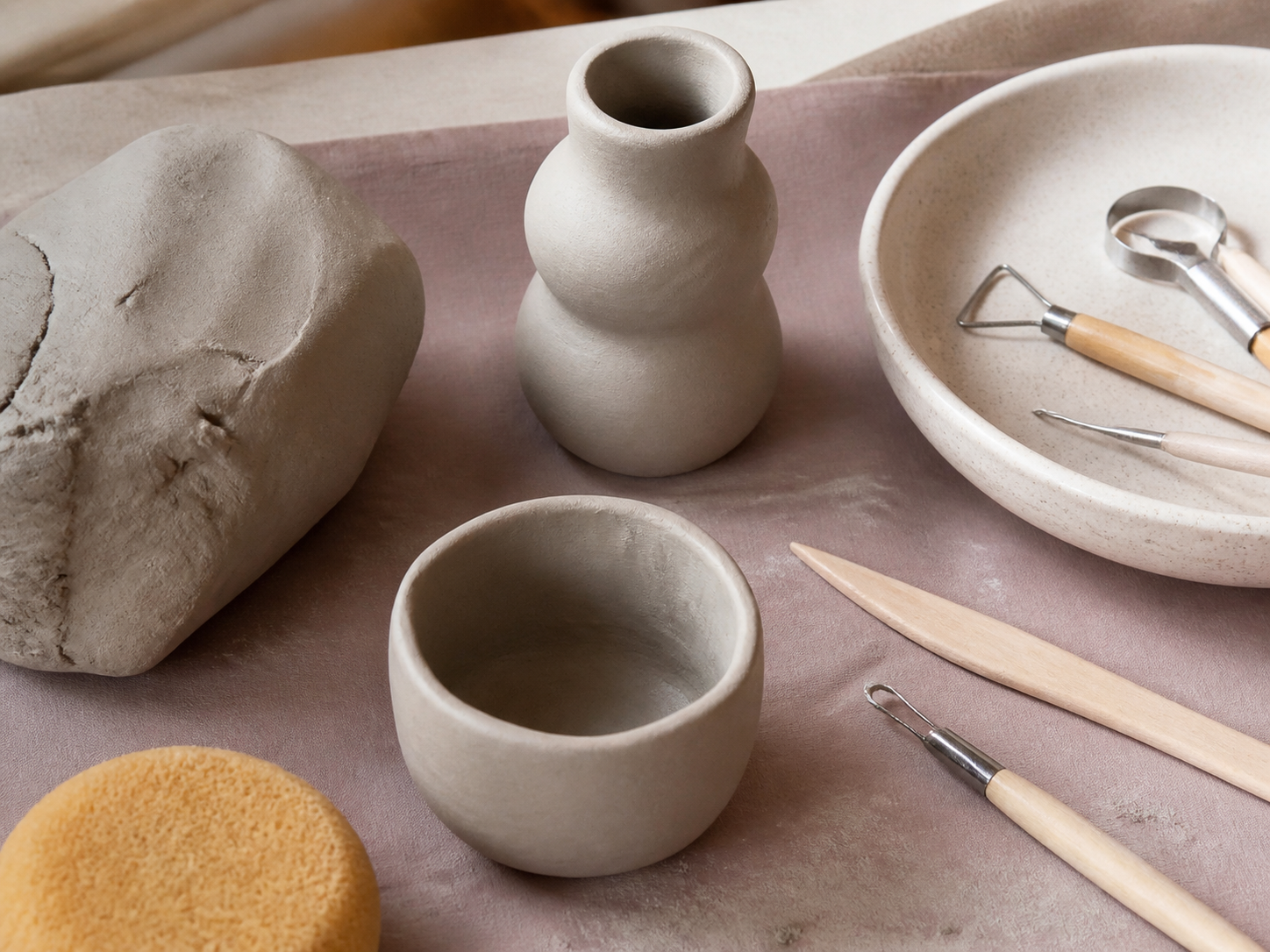
 Image unavailable
Illustrative image — products may vary.
Pottery Starter Kit: Shape something satisfying by hand
A pottery starter kit offers a first project in shaping clay by hand, with decorative pieces to keep when the making is done.
Ad: GiftAim earns commission or fees from qualifying purchases and sign-ups through links on this page, at no extra cost to you. How we’re funded.
A first piece they have shaped themselves
A pinch pot, a small ornament or a dish for rings gives a new maker something manageable to try. An air-dry pottery kit can bring that experience to a kitchen table, without a wheel or kiln, provided the clay and project are intended for it.
Look for a project they would enjoy making, not just a finished example you like. A clear guide and enough clay for another attempt leave room to learn without making the first pot feel like a test.
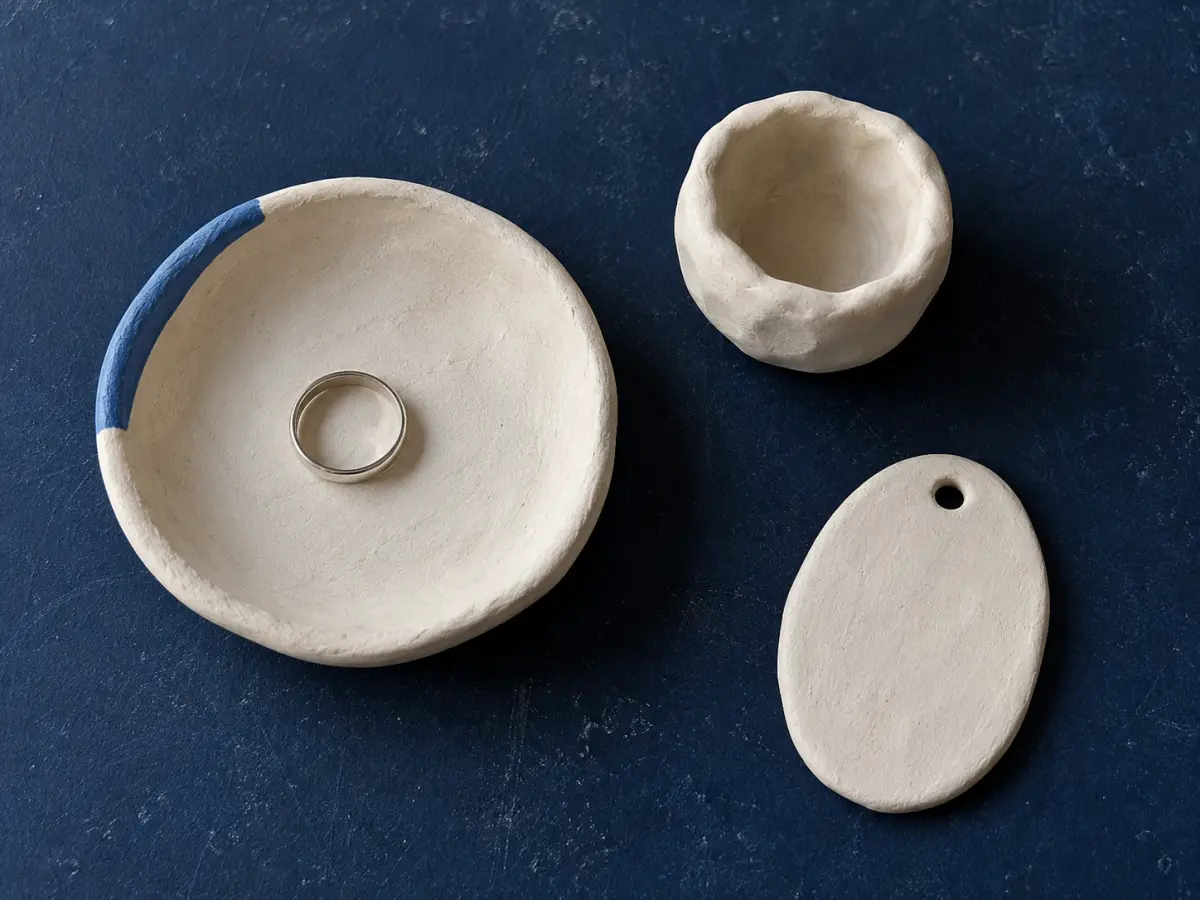
A ring dish: a shallow shape gives them practice smoothing a base and rim, with somewhere for small keepsakes at the end.
A pinch pot: a small vessel shaped with their fingers introduces hand-building without a wheel.
A hanging ornament: a flat design leaves room for texture or painted detail. Its hanging hole needs making before the clay hardens.
Read the clay description before counting the tools
Air-dry clay and clay that needs kiln firing are different purchases. For home hand-building, check that the supplied clay hardens in air and that the instructions cover shaping, drying and decorating it. A tools-only set does not supply the clay or a first project.
If the kit uses ceramic clay that needs firing, establish access to a studio that accepts that clay before buying. A kitchen oven is not a substitute for the firing process, and a miniature wheel in a listing does not establish what the clay needs.
What makes the kit ready to start?
Compare the actual contents with the first project they want to make.
- Enough suitable clay for the intended number of people and projects.
- Clear shaping and drying instructions, with a manageable first design.
- Useful shaping tools and a sponge, rather than a high accessory count.
- Any paint, brushes and finish needed for the pictured result, or a clear list of extras.
Leave room for drying as well as making
They need a protected work surface and somewhere to leave the piece undisturbed while it dries. Check the maker’s drying guidance before painting; thickness and conditions affect how long a piece takes. A project may need several sessions rather than one afternoon.
Allow for a surface cover, any missing decorating supplies and airtight storage for unused clay. Follow the instructions for cleanup and age suitability, especially where small tools or finishing products are included.
Choose the project around what the material can do
An air-dry pot can be a lovely decorative object without being a usable mug. Treat food contact, standing water and outdoor use as separate claims that need clear support for the exact clay and finish. A coat of varnish does not establish them.
If they are drawn to small colored charms, beads or miniatures, consider a polymer clay kit instead. It is a different material with its own oven-baking instructions; it is not a shortcut to fired ceramic tableware.
Already enjoying clay? A pottery tool set extends their shaping tools, while a manual banding wheel turns a piece for building and decorating. An electric pottery wheel introduces throwing and needs a separate workspace and finishing plan.
For more of the same decorative making, an air-dry clay refill replaces the material without buying the whole kit again. Match a clay they already like.
Alternatives to consider
-
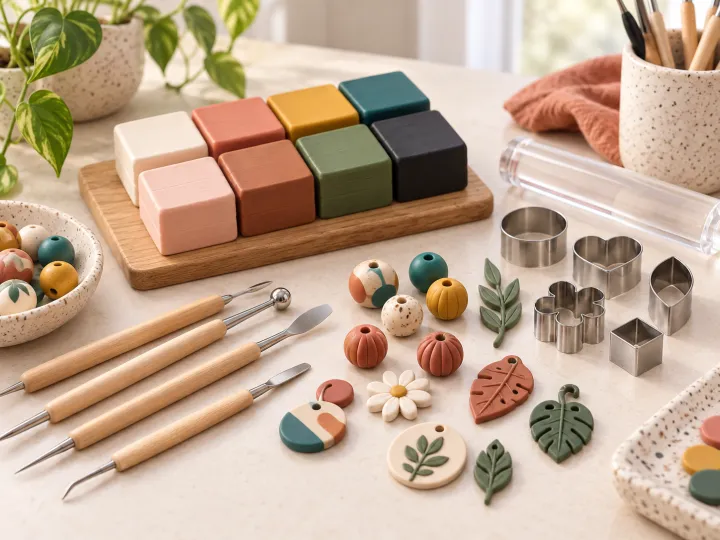
Polymer Clay Kit
For small models, beads and charms made with oven-bake clay, rather than hand-built air-dry pots.
-
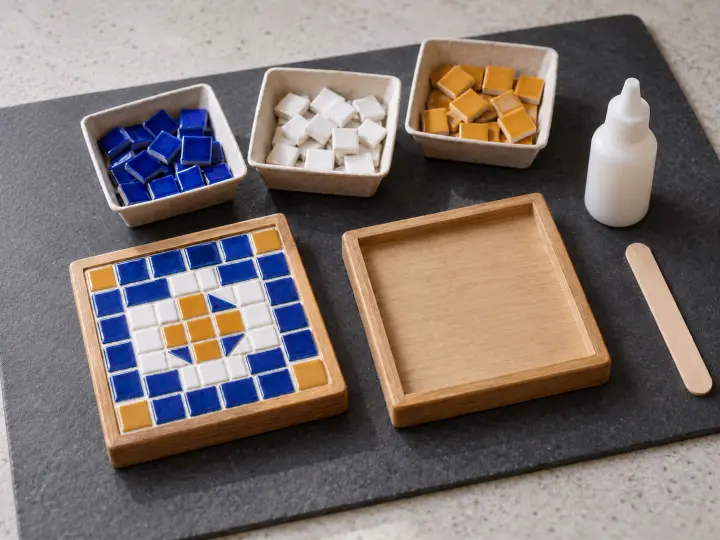
Mosaic Making Kit
A different hands-on project for someone who would rather arrange tiles into a pattern than shape clay.