 Image unavailable
Illustrative image — products may vary.
Embroidery Starter Kit: A first design, one stitch at a time
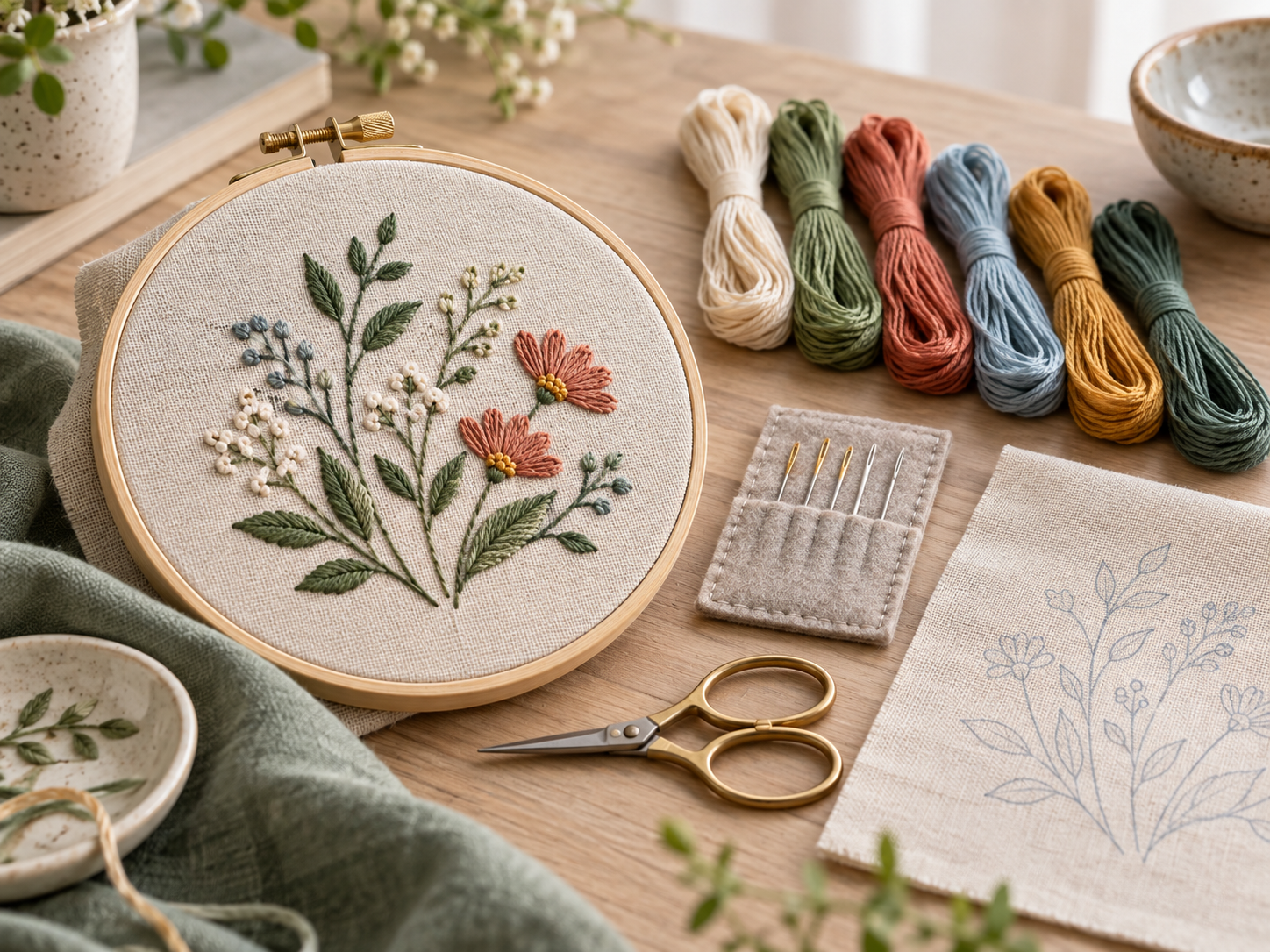
A guided embroidery project brings fabric, thread and stitch teaching together, so a beginner can concentrate on making the design.
Ad: GiftAim earns commission or fees from qualifying purchases and sign-ups through links on this page, at no extra cost to you. How we’re funded.
Look closely at the stitch teaching
A beginner needs more than a picture of the finished design. Look for diagrams or demonstrations showing how to make each stitch, how many strands of thread to use and where those stitches go. Pre-marked fabric can remove the transfer step, but it does not replace teaching.
Choose a motif they would like to display, with enough space to see the individual elements. A small hoop can still contain dense, fiddly stitching; the number of colors and stitches is a more useful clue than size alone. Someone with experience may prefer an unfamiliar technique or a design that fits their taste.
Follow the contents through to the finish
Check for a suitable hoop, fabric, needles and enough thread in the design’s colors. Read which extras, such as small scissors or a threader, must be supplied. The instructions should also explain how to start and finish threads and what to do with the fabric once the stitching is complete.
Check how printed pattern marks are removed before assuming the finished work can be washed. Follow the kit’s directions for its fabric, inks and thread. If it is intended to stay in the hoop, look at the supplied hoop and backing; turning it into a cushion or patch may require extra materials.
Tools for a different way of stitching
An embroidery stand can free both hands, but it is an optional support rather than a substitute for a good first kit. A tracing light pad is useful when transferring a separate design through suitable fabric; it may add little to a kit with the pattern already printed.
Punch needle makes loops with a hollow tool instead of ordinary hand stitches. If that is the textured result they want, choose a matched punch-needle kit rather than buying interchangeable-looking supplies. Whichever method you choose, check age guidance for needles and small tools.
A visible mending kit serves someone who wants to make a decorative clothing repair. It needs a method suited to the garment, rather than the prepared fabric and motif that make this sort of embroidery kit a self-contained starting point.
Alternatives to consider
-
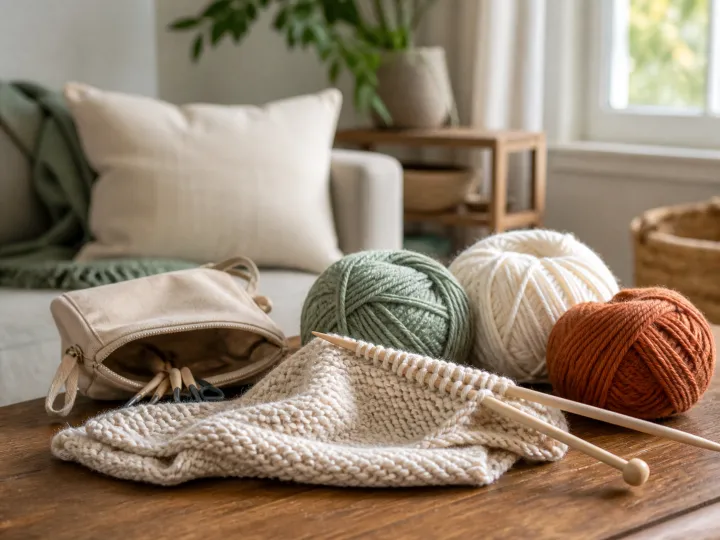
Knitting Starter Kit
A better fit for someone drawn to yarn, wearable projects and building fabric row by row.
-
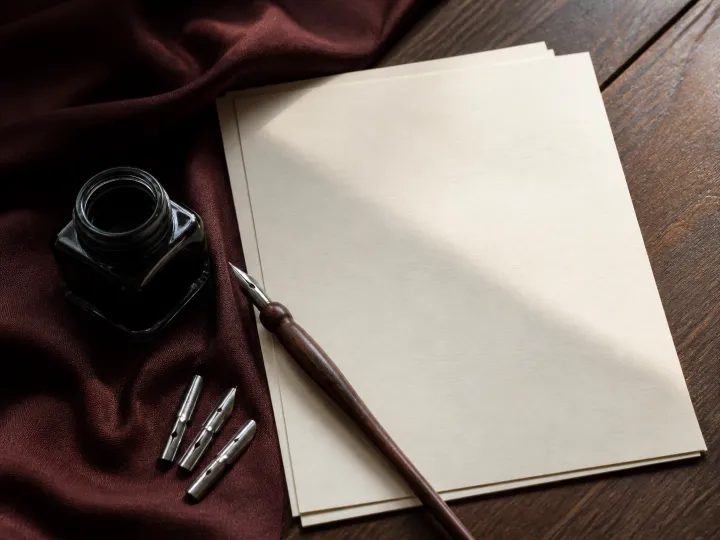
Calligraphy Set
A paper-based starter skill when lettering and ink feel more natural than needle and thread.