 Image unavailable
Illustrative image — products may vary.
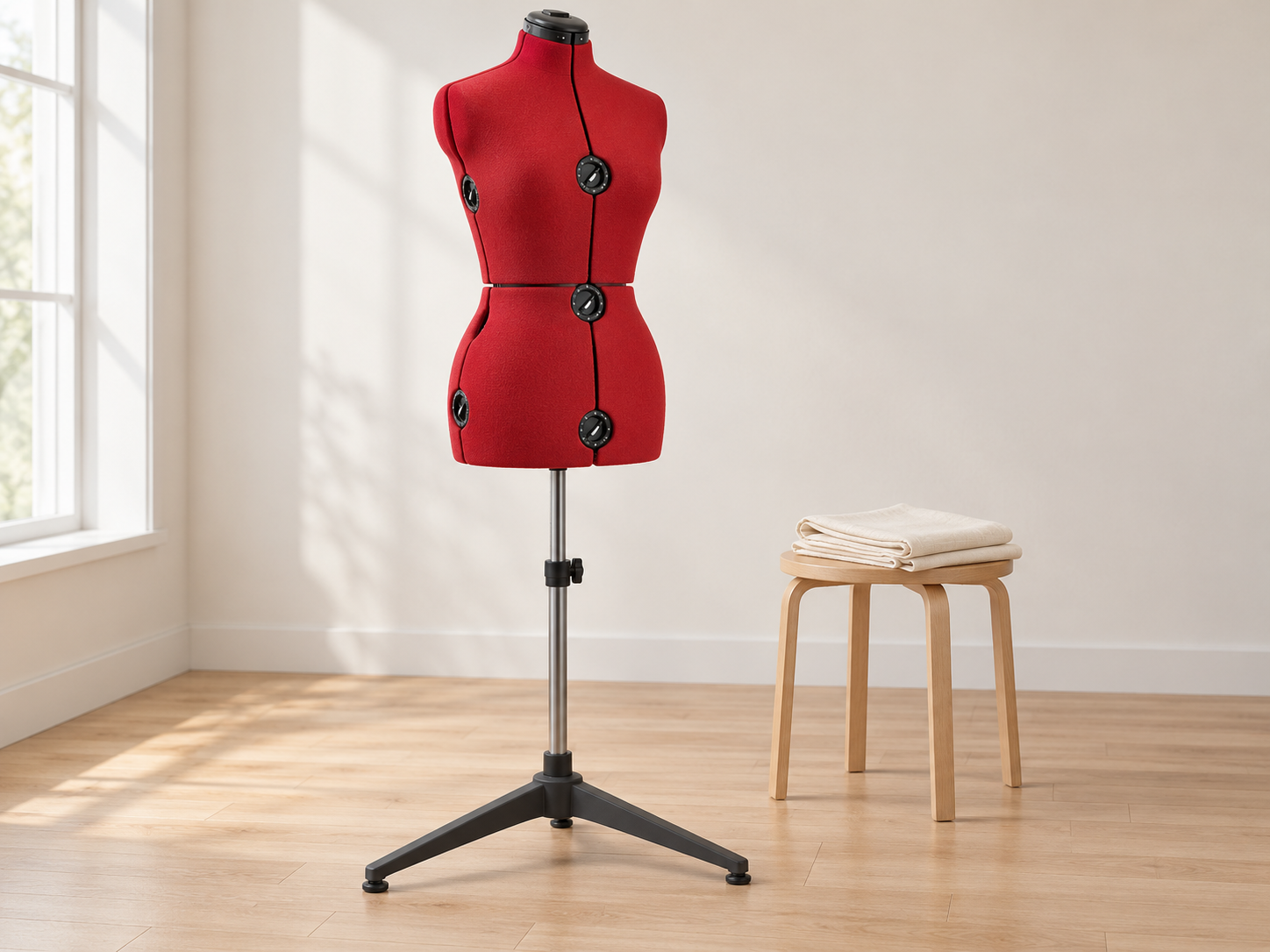
Adjustable Dress Form: A fitting partner for their next garment
An adjustable dress form supports garment fitting, draping and alterations, provided its measurement range and shape suit the work the recipient wants to make.
Ad: GiftAim earns commission or fees from qualifying purchases and sign-ups through links on this page, at no extra cost to you. How we’re funded.
Choose it with the person who will use it
A dress form gives a garment maker a three-dimensional surface on which to arrange fabric, inspect a garment and work on alterations. Adjustable panels allow the torso measurements to change within a stated range. This is useful sewing equipment, but its fit and storage needs make it a better considered purchase than a blind surprise.
Check that the body itself adjusts. A display mannequin advertised as adjustable may only move up and down on its stand. That does not provide the bust, waist and hip adjustment a sewer may be expecting.
Match the shape as well as the numbers
A form can be a helpful approximation without being an exact body double. Torso length, shoulder shape and the distribution of measurements matter alongside circumference. Padding can refine some differences, but it cannot turn a form that is already too large into a smaller one.
Choose a body shape appropriate to the garments and wearer the recipient works with. Do not assume the form represents the gift recipient themselves. A form intended for dressmaking may not have the mount or lower-body arrangement needed for fitting pants; check the stated uses if that is part of their sewing.
Look at the surface and the stand
Fabric-covered does not always mean pins can be pushed straight into the body. Some forms accept pins at a shallow angle through the covering. Check the maker's method and the recipient's intended draping work before relying on the word pinnable.
Compare working height, stability and the floor area taken by the base. A hem marker can be useful, but it is an accessory rather than proof of overall fit. Assembly, moving the form and storing it with or without a garment should all be practical in the recipient's room.